Sleep Disorders Linked to Structural Brain Reductions
An analysis of 57 imaging studies connects sleep disruptions to physical changes in the thalamus.
Shared Physical Alterations in the Thalamus
Common sleep disorders correspond with measurable structural differences in brain regions regulating attention, motivation, and cognitive control. Researchers at Florida International University (FIU) analyzed findings from 57 separate brain imaging studies in adults to determine how different sleep conditions correlate with brain anatomy. The findings, published in the journal Scientific Reports, evaluate structural patterns across multiple conditions rather than focusing on a single diagnosis.
Both dyssomnias and parasomnias showed consistent volume reductions in the thalamus. The thalamus sits deep within the brain and directs sensory information, supports complex thinking, and helps sustain focus. Specifically, structural changes centered on the pulvinar, a thalamic subregion that assists in directing attention toward relevant tasks and managing goal-directed actions.
Because the pulvinar connects to wider neural networks governing decision-making, disruptions in this region correlate with functional problems observed during waking hours. These neural patterns offer a physiological explanation for why individuals dealing with disrupted sleep experience slower reaction times, impaired focus, and higher rates of everyday errors.
Differences Between Dyssomnias and Parasomnias
The analysis separated sleep disorders into two distinct clinical categories to examine whether structural findings varied by diagnosis. Dyssomnias encompass conditions that disrupt the duration or restorative quality of sleep, including insomnia and sleep apnea. Parasomnias involve abnormal behaviors or physical events that interrupt sleep cycles, such as sleepwalking, nightmare disorder, and sleep terrors.
While both diagnostic groups shared thalamic volume reductions, parasomnias showed additional distinct variations. Individuals diagnosed with parasomnias displayed physical changes in the posterior cingulate cortex. This brain area participates in managing emotional regulation, maintaining internal motivation, and resolving complex choices.
Identifying region-specific patterns allows researchers to distinguish general effects of sleep loss from the distinct neurological features of disruptive sleep behaviors. The authors noted that mapping these disorder-specific changes may help clinicians develop targeted diagnostic tools and tailored behavioral or medical interventions.
Implications for Cognitive and Metabolic Recovery
Sleep quality directly impacts daily executive function, daytime motivation, and metabolic regulation. An estimated 50 million to 70 million Americans manage a diagnosed sleep disorder, making chronic sleep disturbance a frequent contributor to cognitive fatigue. Structural alterations in regions that control planning and decision-making can undermine a person's consistency with daily nutrition, exercise, and recovery habits.
When cognitive control networks experience structural strain, individuals often struggle with impulse regulation and sustained attention. While the FIU study evaluated neuroimaging rather than endocrine markers, stable cognitive function remains a requirement for managing long-term metabolic protocols. Individuals experiencing ongoing daytime impairment alongside poor sleep should consult their clinician for diagnostic screening.
Study Scope and Methodological Limitations
The findings represent an observational meta-analysis of existing brain imaging literature rather than a prospective interventional trial. Combining 57 studies establishes statistical associations between sleep disorders and regional volume reductions, but it cannot confirm that sleep disruption directly caused the physical tissue changes. Pre-existing neuroanatomical differences could plausibly predispose certain individuals to developing sleep disorders.
The analyzed dataset drew entirely from adult populations, meaning these specific structural associations cannot be generalized to children or adolescents. Furthermore, the source publication does not detail whether effective treatment of sleep apnea or insomnia reverses these thalamic reductions. Further longitudinal research will be needed to measure whether structural brain recovery occurs after restorative sleep is restored.
What to Look For in a Sleep & Recovery Tracker
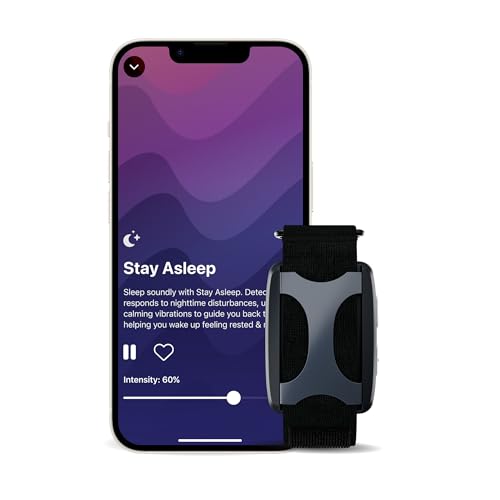
The Oura Ring and Whoop are the most accurate consumer options for sleep stages and HRV; a smartwatch (Apple Watch, Garmin) works too if you'd rather not wear a ring. Prioritize validated HRV and sleep-stage tracking over step counts, check whether it needs a subscription (Whoop does), and pick something comfortable enough to wear every night.

What Makes a Good Magnesium Supplement
Form matters more than dose: magnesium glycinate and citrate absorb well and are gentle on the stomach, while cheap magnesium oxide is poorly absorbed. A typical supplemental dose is 200–400 mg of elemental magnesium (check the label — it's usually lower than the pill weight). Take it in the evening if you're using it for sleep, and pick a third-party-tested brand.


Related Articles
Study Maps Hypothalamus Shifts in Alzheimer's Disease
Researchers mapped hypothalamic subregions in Alzheimer's disease, finding distinct structural...
Read article RecoveryCluster Headache and Burnout Symptoms Linked in New Study
A Karolinska Institutet study finds two-thirds of patients in an active cluster headache phase...
Read article RecoveryBrain Waste Clearance Waves During Sleep Decline in Older Adults
MIT researchers found cerebrospinal fluid waves that clear brain waste during deep sleep are...
Read article RecoveryOral GLP-1 Orforglipron Reduced Sleep Apnea Events in Trials
Daily oral orforglipron reduced sleep apnea episodes by 18 events per hour in adults with excess...
Read articleWant help fixing your sleep for real?
Opt Health treats sleep as a measurable system — cortisol rhythm, thyroid, testosterone, inflammation — and works the biology behind bad sleep with a physician, not a sleep-hygiene checklist.
See Opt Health's sleep program →Topic updates
Get the weekly recovery roundup
Sleep, HRV, fatigue, burnout, cortisol rhythm, sleep apnea, overtraining, and stress physiology.
Understand Your Health Better
Our free assessment maps your symptoms to the most relevant guides, tools, and product recommendations.
Take the Free Assessment →Free · Takes 5 minutes · Instant results
Affiliate disclosure: The Metabolic Journal is reader-supported. Some links above are affiliate or referral links and we may earn a commission at no extra cost to you. Products are chosen on the merits; commissions never influence what we recommend. This is general information, not medical advice — talk to your clinician before acting.