Brain Waste Clearance Waves During Sleep Decline in Older Adults
An MIT study finds older adults produce smaller cerebrospinal fluid waves during non-REM sleep due to reduced slow brain waves.
Weakened Fluid Pulses Observed in the Aging Brain
Cerebrospinal fluid (CSF) waves that flush metabolic waste from the brain during sleep are significantly reduced in older adults.
A study led by researchers at the Massachusetts Institute of Technology (MIT) and published in Nature Aging examined how aging alters nighttime brain clearance. Researchers tested volunteers in two age brackets, comparing healthy adults aged 18 to 39 against older participants aged 60 to 84.
The data showed that the physical pulses of fluid responsible for clearing cellular debris grow substantially smaller in the older demographic.
Decreased Deep Sleep Waves Drive the Reduction
The drop in nighttime fluid movement stems directly from a loss of low-frequency electrical oscillations during deep sleep.
During non-rapid eye movement (non-REM) sleep, the brain generates slow electrical rhythms that coordinate blood volume and fluid shifts. In younger participants, these high-amplitude rhythms triggered large, rhythmic surges of CSF through brain tissue.
In older adults, these slow waves were diminished. This blunted the accompanying fluid surges rather than simply reflecting lost sleep duration.
Simultaneous Brain Imaging and Electrical Monitoring
Researchers tracked fluid dynamics and electrical activity simultaneously by combining neuroimaging with sleep monitoring.
Participants entered a scanner late at night for two-hour sessions designed to capture natural rest. The team paired electroencephalogram (EEG) recordings with functional magnetic resonance imaging (fMRI) to monitor blood flow.
A specialized magnetic resonance imaging (MRI) technique developed in the laboratory tracked the physical movement of fluid as participants drifted into non-REM sleep.
Implications for Metabolic Health and Recovery
Nighttime waste removal provides a critical biological window for neural recovery and metabolic maintenance.
The brain relies on fluid circulation during rest to wash away metabolic byproducts that accumulate during waking hours. Because cognitive aging trajectories vary widely across individuals, tracking these specific fluid patterns may eventually help clinicians identify early vulnerability to neurodegenerative changes.
For people tracking metabolic health, sleep depth functions as a physical component of tissue recovery alongside nutrition and exercise.
Research Limitations and Next Steps
This trial observed acute fluid dynamics in a laboratory setting and did not evaluate therapeutic interventions.
The experimental protocol evaluated sleep in short scanner intervals rather than full natural overnight periods at home. Additionally, the researchers did not determine whether reduced fluid pulses directly cause long-term cognitive decline.
The research team plans further work to test whether specific behavioral or clinical interventions can restore slow brain waves and improve nighttime fluid flow in older populations.
What to Look For in a Sleep & Recovery Tracker
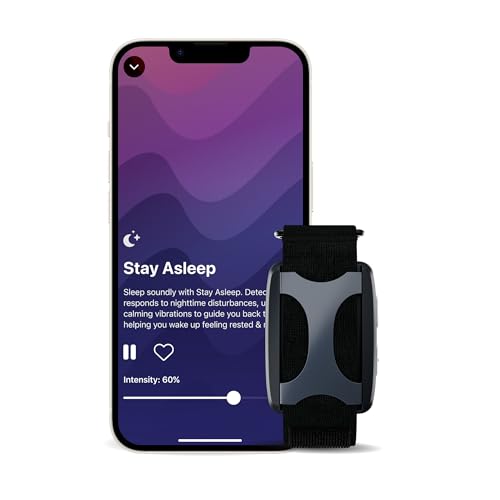
The Oura Ring and Whoop are the most accurate consumer options for sleep stages and HRV; a smartwatch (Apple Watch, Garmin) works too if you'd rather not wear a ring. Prioritize validated HRV and sleep-stage tracking over step counts, check whether it needs a subscription (Whoop does), and pick something comfortable enough to wear every night.

What Makes a Good Magnesium Supplement
Form matters more than dose: magnesium glycinate and citrate absorb well and are gentle on the stomach, while cheap magnesium oxide is poorly absorbed. A typical supplemental dose is 200–400 mg of elemental magnesium (check the label — it's usually lower than the pill weight). Take it in the evening if you're using it for sleep, and pick a third-party-tested brand.


Related Articles
Study Maps Hypothalamus Shifts in Alzheimer's Disease
Researchers mapped hypothalamic subregions in Alzheimer's disease, finding distinct structural...
Read article RecoveryCluster Headache and Burnout Symptoms Linked in New Study
A Karolinska Institutet study finds two-thirds of patients in an active cluster headache phase...
Read article RecoveryOral GLP-1 Orforglipron Reduced Sleep Apnea Events in Trials
Daily oral orforglipron reduced sleep apnea episodes by 18 events per hour in adults with excess...
Read article RecoverySensory Nerves Drive Bone Mass Recovery in Unloading Study
A study in mice found sensory nerves inside bone decrease during unloading and are necessary for...
Read articleWant help fixing your sleep for real?
Opt Health treats sleep as a measurable system — cortisol rhythm, thyroid, testosterone, inflammation — and works the biology behind bad sleep with a physician, not a sleep-hygiene checklist.
See Opt Health's sleep program →Topic updates
Get the weekly recovery roundup
Sleep, HRV, fatigue, burnout, cortisol rhythm, sleep apnea, overtraining, and stress physiology.
Understand Your Health Better
Our free assessment maps your symptoms to the most relevant guides, tools, and product recommendations.
Take the Free Assessment →Free · Takes 5 minutes · Instant results
Affiliate disclosure: The Metabolic Journal is reader-supported. Some links above are affiliate or referral links and we may earn a commission at no extra cost to you. Products are chosen on the merits; commissions never influence what we recommend. This is general information, not medical advice — talk to your clinician before acting.