Sensory Nerves Drive Bone Mass Recovery in Unloading Study
Mice exposed to microgravity and simulated disuse lost sensory nerves inside bone, and removing those nerves halted recovery after reloading.
Sensory Nerves Regulate Bone Recovery in Rodent Models
Sensory nerves inside bone tissue are necessary for bone mass recovery following periods of unloading, according to research from the Institute of Science Tokyo. The study, published in the journal Bone Research on August 28, 2026, evaluated skeletal remodeling in mice subjected to mechanical disuse and subsequent reloading.
When mechanical forces on the skeleton were reduced, the abundance of sensory nerves inside the bone tissue dropped alongside bone mass. Restoring mechanical loading prompted both nerve abundance and bone mass to increase again.
Spaceflight and Ground Models Produced Similar Skeletal Changes
The investigation used spaceflight conditions on the International Space Station (ISS) to test how reduced gravitational force affects bone innervation. In collaboration with the Japan Aerospace Exploration Agency (JAXA), the research team housed Sox10-Venus mice for three weeks in the Kibo Japanese Experiment Module during the MHU-7 mission.
To verify the spaceflight observations on Earth, the researchers tested two ground-based unloading models using tail suspension and hindlimb immobilization. Both models produced the same reduction in sensory nerves and bone density observed in orbital microgravity.
Removing Sensory Nerves Halted Bone Mass Restoration
Bone mass failed to rebuild after reloading when researchers removed the sensory nerves inside the bone tissue. This outcome confirmed that mechanical forces alone cannot restore skeletal density without intact sensory neural pathways.
The authors reported that sensory nerves serve as functional regulators of bone metabolism during mechanical shifts. Understanding how bone remodels under physical forces provides baseline data for research into musculoskeletal disorders such as osteoporosis.
Study Limitations and Relevance to Human Health
The findings derive entirely from rodent models and have not been evaluated in human clinical trials. Skeletal architecture and nerve distribution in mice differ from human anatomy, meaning therapeutic applications remain unverified.
Individuals managing metabolic bone conditions or prolonged bed rest should discuss physical loading strategies with their clinician. Proposed therapies targeting sensory nerves for fragility or osteoporosis will require safety and efficacy testing in human subjects before clinical adoption.
What to Look For in a Sleep & Recovery Tracker
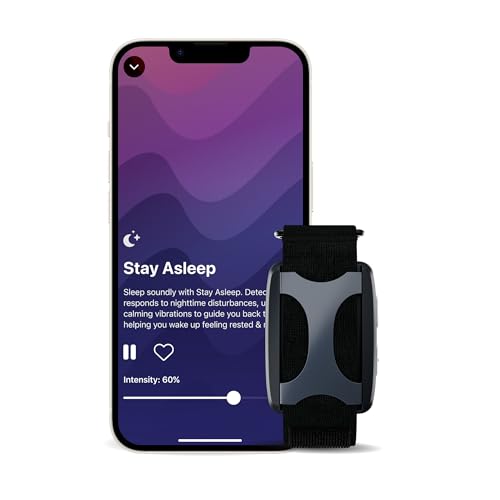
The Oura Ring and Whoop are the most accurate consumer options for sleep stages and HRV; a smartwatch (Apple Watch, Garmin) works too if you'd rather not wear a ring. Prioritize validated HRV and sleep-stage tracking over step counts, check whether it needs a subscription (Whoop does), and pick something comfortable enough to wear every night.

What Makes a Good Magnesium Supplement
Form matters more than dose: magnesium glycinate and citrate absorb well and are gentle on the stomach, while cheap magnesium oxide is poorly absorbed. A typical supplemental dose is 200–400 mg of elemental magnesium (check the label — it's usually lower than the pill weight). Take it in the evening if you're using it for sleep, and pick a third-party-tested brand.


Related Articles
Study Maps Hypothalamus Shifts in Alzheimer's Disease
Researchers mapped hypothalamic subregions in Alzheimer's disease, finding distinct structural...
Read article RecoveryCluster Headache and Burnout Symptoms Linked in New Study
A Karolinska Institutet study finds two-thirds of patients in an active cluster headache phase...
Read article RecoveryBrain Waste Clearance Waves During Sleep Decline in Older Adults
MIT researchers found cerebrospinal fluid waves that clear brain waste during deep sleep are...
Read article RecoveryOral GLP-1 Orforglipron Reduced Sleep Apnea Events in Trials
Daily oral orforglipron reduced sleep apnea episodes by 18 events per hour in adults with excess...
Read articleWant help fixing your sleep for real?
Opt Health treats sleep as a measurable system — cortisol rhythm, thyroid, testosterone, inflammation — and works the biology behind bad sleep with a physician, not a sleep-hygiene checklist.
See Opt Health's sleep program →Topic updates
Get the weekly recovery roundup
Sleep, HRV, fatigue, burnout, cortisol rhythm, sleep apnea, overtraining, and stress physiology.
Understand Your Health Better
Our free assessment maps your symptoms to the most relevant guides, tools, and product recommendations.
Take the Free Assessment →Free · Takes 5 minutes · Instant results
Affiliate disclosure: The Metabolic Journal is reader-supported. Some links above are affiliate or referral links and we may earn a commission at no extra cost to you. Products are chosen on the merits; commissions never influence what we recommend. This is general information, not medical advice — talk to your clinician before acting.