Pulse Oximetry May Undercount Sleep Apnea Events in Black Patients
A study across two cohorts finds standard oxygen desaturation criteria miss roughly 20 percent of breathing disturbances in Black individuals.
Oxygen Scoring Discrepancies in Sleep Studies
Standard pulse oximetry metrics undercount breathing disruptions in Black patients during sleep studies. Researchers from Mass General Brigham analyzed records from two independent cohorts: the Multi-Ethnic Study of Atherosclerosis (MESA) and the Sleep Heart Health Study (SHHS).
In both cohorts, the proportion of airflow-defined breathing events meeting a standard 4 percent oxygen desaturation criterion was 20 to 21 percent lower in Black individuals than in white individuals. The findings were published in the American Journal of Respiratory and Critical Care Medicine.
How Skin Pigmentation Affects Light Absorption
Skin pigmentation alters how pulse oximeters measure light absorption across tissue. Pulse oximeters function by emitting light through a part of the body and measuring how much light passes through. Melanin and other natural pigments in darker skin absorb some of that emitted light.
This absorption can reduce the accuracy of blood oxygen readings. Similar optical measurement discrepancies have appeared in hospital settings during care for Coronavirus Disease 2019 (COVID-19).
Heart Rate Metrics and Cardiovascular Outcomes
Heart rate responses capture breathing events that oxygen sensors overlook. When researchers evaluated scoring based on heart rate rather than oxygen drops, they observed no racial difference in detected breathing events.
The heart-rate-based severity measure was associated with cardiovascular events or death in Black participants across both cohorts. Standard oxygen-based severity measures showed no significant association with those cardiovascular outcomes in the same participants.
Clinical Implications for Sleep Apnea Diagnosis
Diagnostic tools must provide accurate physiological data across all patient populations. First author Ali Azarbarzin noted that the research team does not recommend separate diagnostic thresholds based on race. The focus is ensuring the primary measurement tools perform consistently across all skin tones.
Underestimating nocturnal breathing events can lead to inaccurate severity classifications. Individuals experiencing daytime fatigue or interrupted sleep can talk to their clinician about how their sleep study evaluates airflow and cardiac responses alongside pulse oximetry.
What to Look For in a Sleep & Recovery Tracker
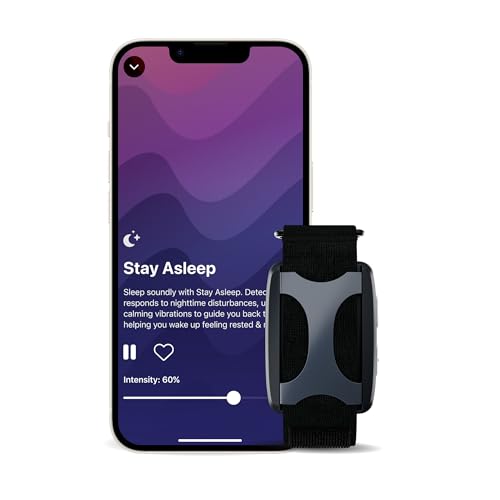
The Oura Ring and Whoop are the most accurate consumer options for sleep stages and HRV; a smartwatch (Apple Watch, Garmin) works too if you'd rather not wear a ring. Prioritize validated HRV and sleep-stage tracking over step counts, check whether it needs a subscription (Whoop does), and pick something comfortable enough to wear every night.

Related Articles
Study Maps Hypothalamus Shifts in Alzheimer's Disease
Researchers mapped hypothalamic subregions in Alzheimer's disease, finding distinct structural...
Read article RecoveryCluster Headache and Burnout Symptoms Linked in New Study
A Karolinska Institutet study finds two-thirds of patients in an active cluster headache phase...
Read article RecoveryBrain Waste Clearance Waves During Sleep Decline in Older Adults
MIT researchers found cerebrospinal fluid waves that clear brain waste during deep sleep are...
Read article RecoveryOral GLP-1 Orforglipron Reduced Sleep Apnea Events in Trials
Daily oral orforglipron reduced sleep apnea episodes by 18 events per hour in adults with excess...
Read articleWant help fixing your sleep for real?
Opt Health treats sleep as a measurable system — cortisol rhythm, thyroid, testosterone, inflammation — and works the biology behind bad sleep with a physician, not a sleep-hygiene checklist.
See Opt Health's sleep program →Topic updates
Get the weekly recovery roundup
Sleep, HRV, fatigue, burnout, cortisol rhythm, sleep apnea, overtraining, and stress physiology.
Understand Your Health Better
Our free assessment maps your symptoms to the most relevant guides, tools, and product recommendations.
Take the Free Assessment →Free · Takes 5 minutes · Instant results
Affiliate disclosure: The Metabolic Journal is reader-supported. Some links above are affiliate or referral links and we may earn a commission at no extra cost to you. Products are chosen on the merits; commissions never influence what we recommend. This is general information, not medical advice — talk to your clinician before acting.