Prediabetes prevention shifts toward prediabetes remission
An international expert panel argues diabetes prevention should target a return to normal glucose early, across the full life course.
Prediabetes prevention gets a new central target: remission
An international panel of experts led by University Hospital Tübingen and the German Center for Diabetes Research (DZD) is calling for a shift in diabetes prevention that makes prediabetes remission a central goal.
In an article published in Nature Medicine, the group presents a jointly developed 10-point framework for preventing type 2 diabetes and its complications, and argues prevention should focus on restoring metabolic health early rather than only slowing progression.
- Key proposal: move from “slow progression” to “restore metabolic health early and preserve it.”
- Prediabetes remission is defined in the article as a return to normal blood glucose levels.
- The framework is positioned as guidance for research, prevention, and health care.
What the evidence actually shows about prediabetes prevention
The Nature Medicine article is an expert framework that reviews existing evidence and synthesizes recommendations, rather than reporting a single new clinical trial.
Within that evidence base, the authors state that studies show targeted lifestyle interventions can often restore normal blood glucose regulation in people with prediabetes, and that people who achieve this have a substantially lower long-term risk of developing type 2 diabetes.
- Who this applies to in the article: people with prediabetes (elevated blood glucose below the diagnostic threshold for diabetes).
- Claim the authors make: prediabetes is not irreversible, and remission should be an explicit prevention goal.
- Why it matters clinically: the outcome emphasized is lower long-term risk of type 2 diabetes after remission.
Life-course prediabetes prevention: earlier windows than most plans use
The framework argues diabetes risk can build over decades and is shaped by biological, social, and behavioral factors at different life stages, so prevention should be planned across the entire life course rather than starting only after blood glucose is already elevated.
The authors identify six life stages as especially important: the period before pregnancy, pregnancy, early childhood, adolescence and young adulthood, and midlife, and they highlight that both parents’ metabolic health before pregnancy can influence a child’s future metabolic health.
- The approach is continuous: prevention is treated as an ongoing effort from preconception through older adulthood.
- The article highlights pregnancy and breastfeeding as additional opportunities to shape health for both generations.
- The framework is presented as a set of priorities to guide prevention strategies earlier than typical adult-only programs.
Practical context for metabolic-health readers focused on prediabetes prevention
For people tracking metabolic health, the key reframing is that prediabetes prevention is not limited to adult diet and exercise messaging, and that the authors want remission—return to normal blood glucose—treated as a measurable prevention endpoint rather than a side benefit.
In practice, that means discussions with clinicians and prevention programs may increasingly focus on early identification of elevated glucose, structured lifestyle support aimed at normalizing glucose regulation, and longer-term maintenance—aligned with the paper’s aim to restore and preserve metabolic health over time.
- A useful question to bring to care: whether the prevention plan is aiming only to slow progression or explicitly to achieve remission (return to normal glucose).
- If you are planning a family, the framework emphasizes preconception and pregnancy as meaningful prevention windows for the next generation’s metabolic health.
- For adolescents and young adults, the framework argues risk is shaped early, so prevention efforts may need to start sooner than most people expect.
Limitations and what this framework does not claim
This publication is a consensus-based, evidence-review framework and does not, in the summary provided, specify exact intervention protocols, timelines, or quantified effect sizes for remission.
It also does not claim remission will occur for everyone with prediabetes, and it frames remission as a goal supported by studies of targeted lifestyle interventions rather than as a guaranteed outcome.
- Not a single new trial: the article summarizes evidence and proposes priorities and recommendations.
- No universal promise: the authors argue remission is possible and meaningful, but do not state it is inevitable.
- Details not provided here: the full “10-point framework” items are referenced but not listed in the provided source text.
How to test metabolic markers at home
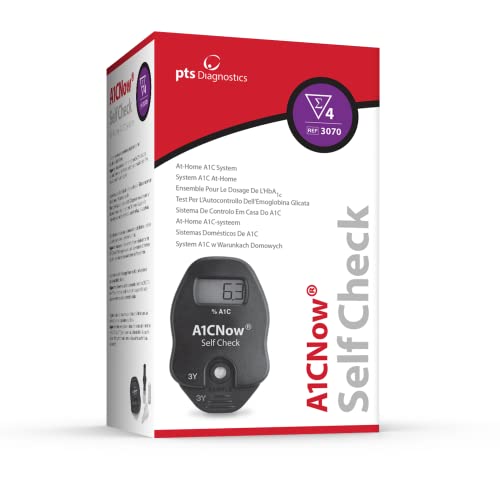
You don't need a lab appointment to check your own metabolic markers — a few at-home kits mail you a collection kit and return physician-reviewed results online within days:
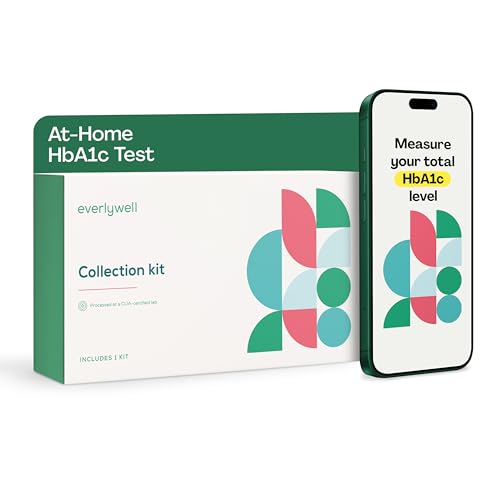
Prefer to order direct? The Everlywell HbA1c Test uses a CLIA-certified lab, physician-reviewed results, and prepaid return shipping.
What to Look For in a Continuous Glucose Monitor (CGM)
Over-the-counter CGMs like Dexcom Stelo and Abbott Lingo now sell without a prescription. Check the wear time (14–15 days per sensor), whether it reads to your phone or needs a separate device, and the monthly cost. For seeing how your own body responds to meals, a month or two is usually enough — you don't need to wear one forever.


What Makes a Good Fiber Supplement
For blood-sugar and cholesterol support you want SOLUBLE fiber — psyllium husk is the best studied. Start with one teaspoon and build up with plenty of water to avoid bloating, and take it 10–15 minutes before carb-heavy meals. Choose an unsweetened, additive-free powder or capsule.


Related Articles
Continuous Glucose Monitoring Links Glucose Spikes to Heart Risks
Framingham Heart Study data show adults without diabetes who spend more time above 140 mg/dL...
Read article MetabolismGut Microbe Molecule Vaccenic Acid Activates Liver Receptor LRH-1
Researchers identified vaccenic acid as a bacterial ligand for receptor LRH-1, showing reduced...
Read article MetabolismDiabetes Distress Assessment Guidelines Released by EASD
The EASD published evidence-based diabetes distress assessment guidelines in Diabetologia,...
Read article MetabolismWhole Grain Intake of 60 to 100 Grams Daily Improves Heart Markers
A review of 87 clinical trials in the European Heart Journal found consuming 60 to 100 grams of...
Read articlePartner · Opt Health
Want a clinician to work up your metabolic numbers?
Opt Health runs fasting insulin, A1C, a full lipid panel and 50+ other markers, then builds a treatment plan — GLP-1s included where they're appropriate — with a physician who reviews the data with you directly.
See Opt Health's metabolic program →Topic updates
Get the weekly metabolic health roundup
Insulin resistance, blood sugar, visceral fat, GLP-1 plateaus, metabolic syndrome, and weight-loss physiology.
Understand Your Health Better
Our free assessment maps your symptoms to the most relevant guides, tools, and product recommendations.
Take the Free Assessment →Free · Takes 5 minutes · Instant results
Affiliate disclosure: The Metabolic Journal is reader-supported. Some links above are affiliate or referral links and we may earn a commission at no extra cost to you. Products are chosen on the merits; commissions never influence what we recommend. This is general information, not medical advice — talk to your clinician before acting.