Miro1 Protein Linked to Muscle Insulin Resistance
Researchers found that excess Miro1 impairs insulin sensitivity in skeletal muscle, while aerobic exercise lowers its levels.
Miro1 Protein Accumulates in Insulin-Resistant Muscle
A study published in Nature Communications found that skeletal muscle from people with type 2 diabetes contains elevated amounts of mitochondrial Rho GTPase 1 (Miro1).
Miro1 sits on the outer membrane of mitochondria, the organelles responsible for cellular energy production. Led by researchers at Pennington Biomedical Research Center and the Harold Hamm Diabetes Center, the multi-stage study evaluated Miro1 across human cell cultures, animal models, and clinical trial participants.
The findings identify the protein as a contributor to impaired glucose uptake in skeletal tissue.
Preclinical Removal Restores Insulin Sensitivity
Removing Miro1 protein in preclinical laboratory models directly restored the ability of skeletal muscle cells to respond to insulin.
Under diabetic conditions, the accumulation of Miro1 on mitochondrial surfaces disrupts normal cellular signaling. When investigators eliminated the protein in these experimental models, glucose clearance improved to baseline levels without altering total mitochondrial volume.
This experimental removal confirms that Miro1 excess acts as an active driver of insulin resistance rather than a passive byproduct of high blood sugar.
Aerobic Exercise Lowers Miro1 Levels in Human Trials
Aerobic exercise training reduces muscle Miro1 concentrations in adults diagnosed with obesity and type 2 diabetes.
The research team conducted a randomized controlled trial that compared structured aerobic exercise against standard medical care. Participants who completed the exercise program showed measurable reductions in muscle Miro1 content, alongside higher insulin sensitivity and improved cellular energy generation.
These clinical measurements help explain one specific biological mechanism through which physical activity improves glycemic regulation.
Research Limitations and Next Clinical Steps
Current evidence does not establish whether pharmacologic inhibition of Miro1 is safe or effective in humans.
While genetic deletion reversed insulin resistance in preclinical models, no approved drug currently targets Miro1 directly. Clinical observations in this paper were limited to supervised aerobic training regimens, meaning researchers have not yet tested resistance training or dietary modifications against this specific mitochondrial marker.
Patients managing blood glucose should discuss proven exercise protocols with their clinician before modifying their care plans.
How to test metabolic markers at home
You don't need a lab appointment to check your own metabolic markers — a few at-home kits mail you a collection kit and return physician-reviewed results online within days:
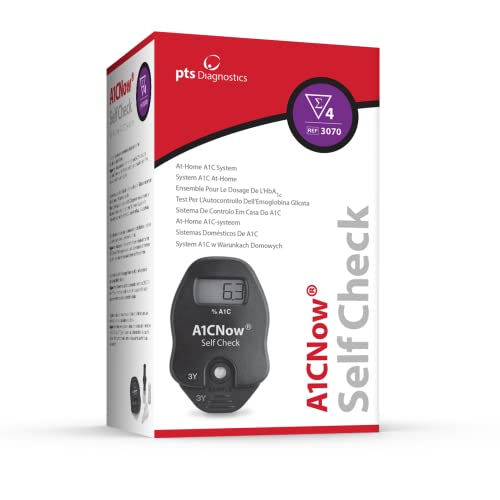
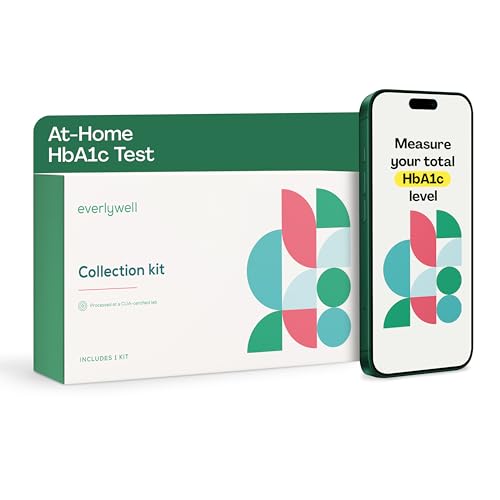
Prefer to order direct? The Everlywell HbA1c Test uses a CLIA-certified lab, physician-reviewed results, and prepaid return shipping.
What to Look For in a Continuous Glucose Monitor (CGM)
Over-the-counter CGMs like Dexcom Stelo and Abbott Lingo now sell without a prescription. Check the wear time (14–15 days per sensor), whether it reads to your phone or needs a separate device, and the monthly cost. For seeing how your own body responds to meals, a month or two is usually enough — you don't need to wear one forever.


What Makes a Good Fiber Supplement
For blood-sugar and cholesterol support you want SOLUBLE fiber — psyllium husk is the best studied. Start with one teaspoon and build up with plenty of water to avoid bloating, and take it 10–15 minutes before carb-heavy meals. Choose an unsweetened, additive-free powder or capsule.


Related Articles
Avocado and Mango Trial Shows Vascular Changes in Prediabetes
An eight-week study in adults with prediabetes found daily intake of avocado and mango improved...
Read article MetabolismMuscle Mass and Metabolic Health Depend on Fat Distribution
Pennington Biomedical researchers found that muscle mass and metabolic health are shaped by...
Read article MetabolismMedically Tailored Meals Lower Blood Sugar and Blood Pressure
A preliminary study presented at the American Heart Association shows medically tailored meals...
Read article MetabolismClinics Screen for CKM Syndrome but Rarely Use Risk Calculators
A survey of 97 clinical sites finds widespread basic screening for...
Read articleWant insulin resistance treated, not just named?
Opt Health tests fasting insulin and HOMA-IR — the markers most panels skip — and treats the resistance itself with a physician-built plan rather than waiting for glucose to drift into the diabetic range.
Read Opt Health on insulin resistance →Topic updates
Get the weekly metabolic health roundup
Insulin resistance, blood sugar, visceral fat, GLP-1 plateaus, metabolic syndrome, and weight-loss physiology.
Understand Your Health Better
Our free assessment maps your symptoms to the most relevant guides, tools, and product recommendations.
Take the Free Assessment →Free · Takes 5 minutes · Instant results
Affiliate disclosure: The Metabolic Journal is reader-supported. Some links above are affiliate or referral links and we may earn a commission at no extra cost to you. Products are chosen on the merits; commissions never influence what we recommend. This is general information, not medical advice — talk to your clinician before acting.