Lower Glucose Disposal Rates Linked to Higher BPH Risk in Men
A new study finds an inverse relationship between estimated glucose disposal rate and benign prostatic hyperplasia in large American and Chinese cohorts.
Study Finds Inverse Link Between Glucose Disposal and BPH
A study published August 25, 2026 in The Aging Male reports that men with lower estimated glucose disposal rates (eGDR) are more likely to have benign prostatic hyperplasia (BPH), a common condition involving prostate enlargement.
Researchers analyzed data from two large population-based cohorts: the China Health and Retirement Longitudinal Study (CHARLS) with 4,382 participants and the U.S. National Health and Nutrition Examination Survey (NHANES) with 3,463 participants.
What the Evidence Shows: Study Design and Main Findings
The study used cross-sectional data from nationally representative samples in China and the United States to examine the association between eGDR and BPH in men.
Both populations showed a significant inverse relationship between eGDR and BPH, meaning that as glucose disposal rates decreased, the likelihood of BPH increased. The relationship remained consistent across different subgroups and was confirmed using restricted cubic spline analysis.
Potential Mechanisms: Insulin Resistance and Inflammation
The authors suggest that eGDR is a useful indicator of insulin resistance in the context of BPH risk stratification. Insulin resistance has been previously linked to both metabolic and urological conditions.
The study also found a significant mediating effect of monocytes, a type of immune cell involved in inflammation, accounting for −15.14% of the association in the NHANES population. This suggests that chronic inflammation may play a role in the link between glucose metabolism and prostate enlargement.
Context for Metabolic Health Management
For men concerned about metabolic health, the findings highlight the potential importance of managing insulin resistance and central obesity not only for diabetes prevention but also for reducing BPH risk.
The study suggests that addressing chronic inflammation, possibly through lifestyle or medical interventions that improve glucose disposal, may help lower the incidence of BPH.
Limitations and Considerations
The study is observational and cross-sectional, so it cannot establish causation between lower eGDR and BPH. It only shows an association.
Further research is needed to determine whether interventions that improve glucose disposal or reduce inflammation can directly lower BPH risk.
How to test metabolic markers at home
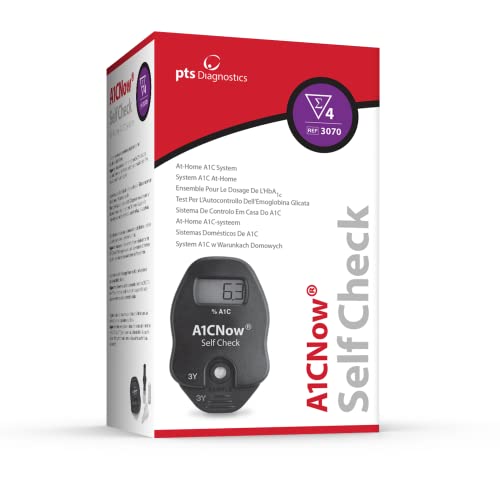
You don't need a lab appointment to check your own metabolic markers — a few at-home kits mail you a collection kit and return physician-reviewed results online within days:
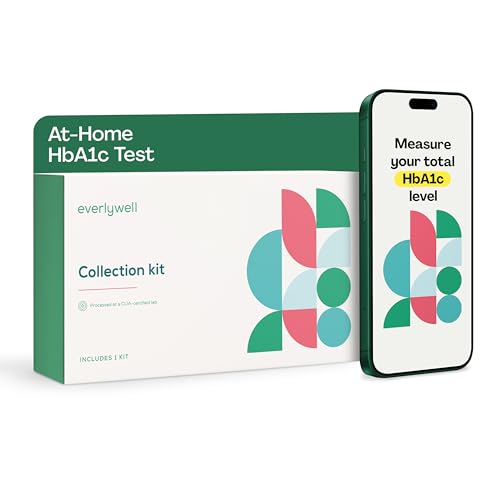
Prefer to order direct? The Everlywell HbA1c Test uses a CLIA-certified lab, physician-reviewed results, and prepaid return shipping.
What to Look For in a Continuous Glucose Monitor (CGM)
Over-the-counter CGMs like Dexcom Stelo and Abbott Lingo now sell without a prescription. Check the wear time (14–15 days per sensor), whether it reads to your phone or needs a separate device, and the monthly cost. For seeing how your own body responds to meals, a month or two is usually enough — you don't need to wear one forever.


What Makes a Good Fiber Supplement
For blood-sugar and cholesterol support you want SOLUBLE fiber — psyllium husk is the best studied. Start with one teaspoon and build up with plenty of water to avoid bloating, and take it 10–15 minutes before carb-heavy meals. Choose an unsweetened, additive-free powder or capsule.


Related Articles
Continuous Glucose Monitoring Links Glucose Spikes to Heart Risks
Framingham Heart Study data show adults without diabetes who spend more time above 140 mg/dL...
Read article MetabolismGut Microbe Molecule Vaccenic Acid Activates Liver Receptor LRH-1
Researchers identified vaccenic acid as a bacterial ligand for receptor LRH-1, showing reduced...
Read article MetabolismDiabetes Distress Assessment Guidelines Released by EASD
The EASD published evidence-based diabetes distress assessment guidelines in Diabetologia,...
Read article MetabolismWhole Grain Intake of 60 to 100 Grams Daily Improves Heart Markers
A review of 87 clinical trials in the European Heart Journal found consuming 60 to 100 grams of...
Read articlePartner · Opt Health
Want a clinician to work up your metabolic numbers?
Opt Health runs fasting insulin, A1C, a full lipid panel and 50+ other markers, then builds a treatment plan — GLP-1s included where they're appropriate — with a physician who reviews the data with you directly.
See Opt Health's metabolic program →Topic updates
Get the weekly metabolic health roundup
Insulin resistance, blood sugar, visceral fat, GLP-1 plateaus, metabolic syndrome, and weight-loss physiology.
Understand Your Health Better
Our free assessment maps your symptoms to the most relevant guides, tools, and product recommendations.
Take the Free Assessment →Free · Takes 5 minutes · Instant results
Affiliate disclosure: The Metabolic Journal is reader-supported. Some links above are affiliate or referral links and we may earn a commission at no extra cost to you. Products are chosen on the merits; commissions never influence what we recommend. This is general information, not medical advice — talk to your clinician before acting.