Longer Sleep Linked to Diabetic Nephropathy in Type 2 Diabetes
A prospective study of 678 adults with type 2 diabetes found higher rates of kidney disease progression among those sleeping seven or more hours nightly.
Study Links Longer Sleep Duration to Diabetic Nephropathy
Adults with type 2 diabetes who sleep longer durations show an increased risk for the incidence and progression of diabetic nephropathy. Researchers from Juntendo University Graduate School of Medicine in Tokyo tracked 678 Japanese outpatients between 25 and 70 years old. Over an average follow-up period of 6.0 plus or minus 2.7 years, 215 participants reached the composite kidney disease end point.
Investigators assessed participant lifestyle habits at baseline and again at year two or year five to calculate average values. Sleep duration was the only lifestyle factor in the analysis that showed a significant association with diabetic kidney disease progression.
Sleep Duration Hazard Ratios in the Study Cohort
Kidney disease risk climbed steadily as average sleep duration increased past six hours per night. Compared to individuals sleeping fewer than six hours nightly, the multivariable-adjusted hazard ratio, abbreviated as HR, was 1.08 for people averaging 6 to less than 7 hours of sleep.
The risk expanded further in groups with longer nightly rest. For participants sleeping 7 to less than 8 hours, the multivariable-adjusted HR was 1.56. For those averaging 8 or more hours per night, the multivariable-adjusted HR reached 1.92 after adjusting for key lifestyle and diabetes-related factors.
Stronger Associations in High-Risk Patient Groups
The statistical link between longer sleep and kidney decline was more pronounced in older participants and those with existing renal vulnerability. Specifically, individuals entering the study with microalbuminuria or reduced kidney function experienced a stronger association between extended sleep and disease progression.
Study co-author Tomoya Mita noted that tracking longer sleep patterns could help clinicians identify which patients require closer monitoring of kidney health.
Observational Limits and Industry Disclosures
These findings demonstrate an observational association rather than a confirmed cause of kidney damage. The study authors noted that people should not view these results as guidance to deliberately shorten their sleep duration.
Patients with concerns about sleep length or kidney laboratory values should discuss testing options with their physician. In the study publication, several authors disclosed financial relationships with medical technology and biopharmaceutical companies.
What to Look For in a Sleep & Recovery Tracker
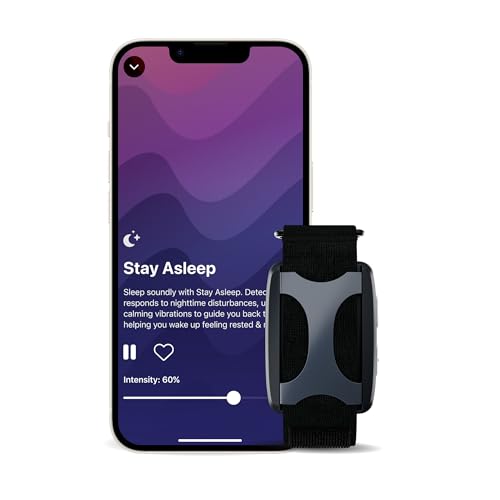
The Oura Ring and Whoop are the most accurate consumer options for sleep stages and HRV; a smartwatch (Apple Watch, Garmin) works too if you'd rather not wear a ring. Prioritize validated HRV and sleep-stage tracking over step counts, check whether it needs a subscription (Whoop does), and pick something comfortable enough to wear every night.

What Makes a Good Magnesium Supplement
Form matters more than dose: magnesium glycinate and citrate absorb well and are gentle on the stomach, while cheap magnesium oxide is poorly absorbed. A typical supplemental dose is 200–400 mg of elemental magnesium (check the label — it's usually lower than the pill weight). Take it in the evening if you're using it for sleep, and pick a third-party-tested brand.


Related Articles
Researchers Identify 60 Genetic Regions Linked to Liver Fat
A study in Nature Genetics evaluated MRI scans and genomes from 71,488 individuals, identifying...
Read article MetabolismOral Semaglutide Adoption Outpaced Injectables at Launch
A study in Annals of Internal Medicine found early oral semaglutide adoption was 4.4 to 7.4...
Read article MetabolismPotassium Binder Eased Dietary Restriction Burden in Dialysis Trial
A clinical trial presented at ASN Kidney Week 2026 found sodium zirconium cyclosilicate lowered...
Read article MetabolismStudy Links 10 Healthy Dietary Patterns to Slower Biological Aging
Research in Nature Communications examining 7,500 people shows 10 healthy dietary patterns,...
Read articleWant help fixing your sleep for real?
Opt Health treats sleep as a measurable system — cortisol rhythm, thyroid, testosterone, inflammation — and works the biology behind bad sleep with a physician, not a sleep-hygiene checklist.
See Opt Health's sleep program →Topic updates
Get the weekly metabolic health roundup
Insulin resistance, blood sugar, visceral fat, GLP-1 plateaus, metabolic syndrome, and weight-loss physiology.
Understand Your Health Better
Our free assessment maps your symptoms to the most relevant guides, tools, and product recommendations.
Take the Free Assessment →Free · Takes 5 minutes · Instant results
Affiliate disclosure: The Metabolic Journal is reader-supported. Some links above are affiliate or referral links and we may earn a commission at no extra cost to you. Products are chosen on the merits; commissions never influence what we recommend. This is general information, not medical advice — talk to your clinician before acting.