Keto Diet Trial Links to Higher Prediabetes Remission
A randomized clinical trial in Cell Metabolism compared ketogenic, Mediterranean, and low-fat plant-forward diets in adults with obesity, prediabetes, and fatty liver disease.
What Happened
A clinical trial published Aug. 27, 2026, in Cell Metabolism reported that a ketogenic diet produced larger improvements in several liver and metabolic markers than a Mediterranean diet or a low-fat, plant-forward diet in adults with obesity.
All participants in the trial were assigned a diet for about four to five months and had their calories adjusted so they lost about 10% of their body weight, allowing the researchers to compare metabolic effects beyond weight loss itself.
What The Study Tested
The researchers enrolled 42 participants with obesity, prediabetes, and fatty liver disease and randomly assigned them to a ketogenic diet, a Mediterranean diet, or a low-fat, plant-forward diet.
Participants received all food from the research team and met weekly with a dietitian to support adherence to the assigned diet.
What The Trial Found
All three diets reduced body fat and improved insulin sensitivity, which is linked to better blood-sugar regulation.
The ketogenic diet group showed the largest average decrease in liver fat (67%), compared with 45% in both the Mediterranean and plant-forward groups, and the ketogenic group had the highest reported prediabetes remission rate after the intervention.
- Average liver fat decreased 67% in the ketogenic group vs 45% in both comparison groups.
- About 50% of the ketogenic group no longer met criteria for prediabetes vs 29% (Mediterranean) and 7% (plant-forward).
- The ketogenic diet group had the largest increase in glucagon during 24-hour blood monitoring and the greatest reduction in blood insulin levels compared with the other diets.
- The report notes the ketogenic group did not show an increase in blood fat or cholesterol levels despite consuming the most fat.
Why This Matters for Metabolic Health
For readers managing obesity, prediabetes, or fatty liver disease, the trial’s design suggests that carbohydrate restriction may affect liver fat and glucose-related hormones even when weight loss is held roughly constant across diets.
The study authors highlight a subgroup framing: the corresponding author says the data suggest that, for people with high liver fat content and prediabetes, reducing carbohydrate intake can have therapeutic effects on metabolism beyond weight loss alone.
- The ketogenic diet in this trial was very low in carbohydrates (4% of calories) and high in fat (73%).
- The Mediterranean diet in this trial provided 50% of calories from carbohydrates and 35% from fat.
- The plant-forward diet in this trial provided 70% of calories from carbohydrates and 15% from fat.
Limitations And What the Results Do Not Settle
The findings come from a single clinical trial with 42 participants who all had obesity, prediabetes, and fatty liver disease, and the intervention lasted about four to five months, so the results may not apply to other groups or to longer time frames.
Because participants were provided all their food and had weekly dietitian support, outcomes in typical real-world settings, where adherence varies and food is self-selected, may differ.
How to test metabolic markers at home
You don't need a lab appointment to check your own metabolic markers — a few at-home kits mail you a collection kit and return physician-reviewed results online within days:
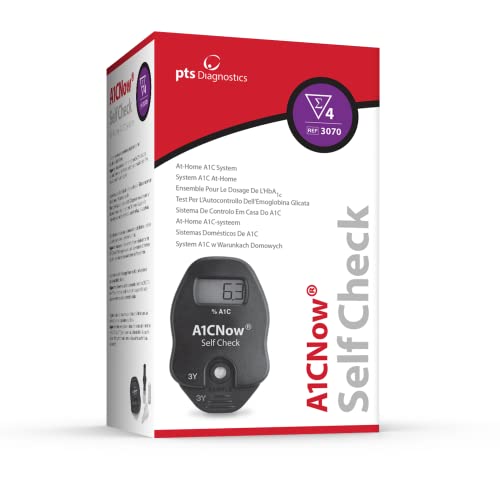
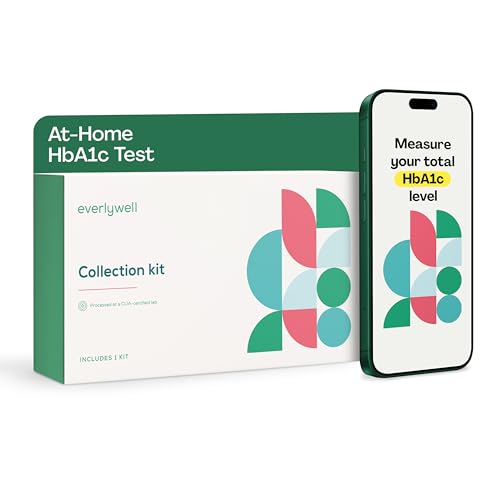
Prefer to order direct? The Everlywell HbA1c Test uses a CLIA-certified lab, physician-reviewed results, and prepaid return shipping.
What to Look For in a Continuous Glucose Monitor (CGM)
Over-the-counter CGMs like Dexcom Stelo and Abbott Lingo now sell without a prescription. Check the wear time (14–15 days per sensor), whether it reads to your phone or needs a separate device, and the monthly cost. For seeing how your own body responds to meals, a month or two is usually enough — you don't need to wear one forever.


What Makes a Good Fiber Supplement
For blood-sugar and cholesterol support you want SOLUBLE fiber — psyllium husk is the best studied. Start with one teaspoon and build up with plenty of water to avoid bloating, and take it 10–15 minutes before carb-heavy meals. Choose an unsweetened, additive-free powder or capsule.


Related Articles
Continuous Glucose Monitoring Links Glucose Spikes to Heart Risks
Framingham Heart Study data show adults without diabetes who spend more time above 140 mg/dL...
Read article MetabolismGut Microbe Molecule Vaccenic Acid Activates Liver Receptor LRH-1
Researchers identified vaccenic acid as a bacterial ligand for receptor LRH-1, showing reduced...
Read article MetabolismDiabetes Distress Assessment Guidelines Released by EASD
The EASD published evidence-based diabetes distress assessment guidelines in Diabetologia,...
Read article MetabolismWhole Grain Intake of 60 to 100 Grams Daily Improves Heart Markers
A review of 87 clinical trials in the European Heart Journal found consuming 60 to 100 grams of...
Read articlePartner · Opt Health
Want a clinician to work up your metabolic numbers?
Opt Health runs fasting insulin, A1C, a full lipid panel and 50+ other markers, then builds a treatment plan — GLP-1s included where they're appropriate — with a physician who reviews the data with you directly.
See Opt Health's metabolic program →Topic updates
Get the weekly metabolic health roundup
Insulin resistance, blood sugar, visceral fat, GLP-1 plateaus, metabolic syndrome, and weight-loss physiology.
Understand Your Health Better
Our free assessment maps your symptoms to the most relevant guides, tools, and product recommendations.
Take the Free Assessment →Free · Takes 5 minutes · Instant results
Affiliate disclosure: The Metabolic Journal is reader-supported. Some links above are affiliate or referral links and we may earn a commission at no extra cost to you. Products are chosen on the merits; commissions never influence what we recommend. This is general information, not medical advice — talk to your clinician before acting.