Intensive Blood Pressure Therapy in Diabetes Shows No Event Reduction
A clinical trial of over 9,000 adults found targeting systolic blood pressure below 120 mm Hg did not significantly lower major cardiovascular events.
Trial Results on Intensive Blood Pressure Targets
Lowering systolic blood pressure below 120 millimeters of mercury (mm Hg) did not significantly reduce major cardiovascular events in adults with type 2 diabetes. The OPTIMAL-DIABETES trial evaluated this question across multiple centers in Brazil. Researchers presented the late-breaking findings at the American Heart Association (AHA) Scientific Sessions 2026.
The trial compared an intensive target under 120 mm Hg to standard care below 140 mm Hg. Follow-up lasted a median of four years.
Cardiovascular Outcomes Across Study Groups
Major cardiovascular events occurred at similar rates across both study arms. In the intensive-treatment group, 286 participants experienced a major cardiovascular event. That equaled 6.0 percent. By comparison, 315 participants in the standard group had an event, representing 6.7 percent.
The difference reflected a 10 percent relative reduction, but the outcome was not statistically significant. Tracked events included heart attack, stroke, cardiovascular death, and hospitalization for unstable angina or heart failure.
Observed Differences in Kidney Function Markers
Intensive treatment produced a higher rate of kidney-related events than standard blood pressure management. About 5.7 percent of the intensive group had a kidney event, compared to 3.7 percent under standard care. That represented a 55 percent higher occurrence rate.
These complications consisted mainly of declines in kidney filtration function. Rates of end-stage renal disease (ESRD) remained low and were similar between both groups. Serious adverse events also occurred at comparable frequencies.
Study Population and Clinical Context
The OPTIMAL-DIABETES trial enrolled more than 9,000 men and women across 33 Brazilian sites. All participants were at least 50 years old. Entry criteria required systolic blood pressure between 130 and 180 mm Hg alongside type 2 diabetes.
Participants also had documented cardiovascular risk factors. These included established cardiovascular disease (CVD), subclinical arterial damage, or chronic kidney disease. Guidelines from the AHA and the American College of Cardiology (ACC) recommend blood pressure under 130/80 mm Hg, encouraging levels below 120 mm Hg in high-risk patients.
Considerations for Clinical Discussions
Patients managing type 2 diabetes and elevated blood pressure can evaluate these targets with a licensed healthcare provider. Individual risk factors, baseline kidney function, and medication side effects influence proper blood pressure targets.
Lead author Karla Santo noted that intensive lowering might still deliver modest health benefits for select individuals. However, those potential benefits require balancing against the observed risk of kidney function declines.
What to Look For in a Blood Pressure Monitor
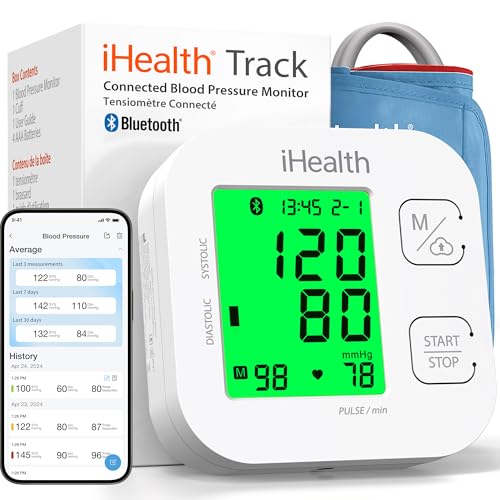
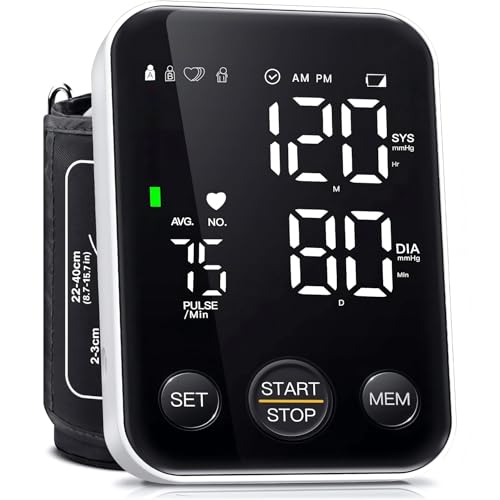
An upper-arm cuff is more accurate than a wrist model. Pick a clinically validated device with a cuff sized to your arm, and take readings seated after five minutes of rest. Models that store readings or sync to an app make it easy to share trends with your doctor.
Related Articles
Type 1 Diabetes Score Misses Remissions in Youth with Obesity
A Diabetes Care study finds insulin dose-adjusted hemoglobin A1c (IDAA1c) misses over half of...
Read article MetabolismStudy Finds Widening Disparities in Weight-Loss GLP-1 Access
A study of 512,389 commercially insured adults found that access gaps for weight-loss GLP-1...
Read article MetabolismGlucose-Powered Implant Improves Blood Sugar in Animal Study
A study in Nature reports on NeuroAxis, an experimental implant powered by glucose that...
Read article MetabolismNatural Peptide Protects Retinal Cells in Laboratory Diabetes Model
A study in Biomedicine & Pharmacotherapy shows the Annexin A1 peptide Ac2-26 shields retinal...
Read articleWant a clinician to work up your metabolic numbers?
Opt Health runs fasting insulin, A1C, a full lipid panel and 50+ other markers, then builds a treatment plan — GLP-1s included where they're appropriate — with a physician who reviews the data with you directly.
See Opt Health's metabolic program →Topic updates
Get the weekly metabolic health roundup
Insulin resistance, blood sugar, visceral fat, GLP-1 plateaus, metabolic syndrome, and weight-loss physiology.
Understand Your Health Better
Our free assessment maps your symptoms to the most relevant guides, tools, and product recommendations.
Take the Free Assessment →Free · Takes 5 minutes · Instant results
Affiliate disclosure: The Metabolic Journal is reader-supported. Some links above are affiliate or referral links and we may earn a commission at no extra cost to you. Products are chosen on the merits; commissions never influence what we recommend. This is general information, not medical advice — talk to your clinician before acting.