Glucose-Powered Implant Improves Blood Sugar in Animal Study
An experimental closed-loop device harvests energy from blood sugar to stimulate the vagus nerve in diabetic rats.
How the NeuroAxis Device Functions
The experimental NeuroAxis implant uses an internal glucose fuel cell to track metabolic shifts and deliver electrical pulses without external batteries or wireless recharging.
Gold and platinum nanoparticles drive the power system. Gold nanoparticles convert glucose in surrounding tissue fluid into gluconate, which generates the electrical charge. Platinum nanoparticles facilitate the complementary oxygen reaction that completes the circuit.
Output voltage shifts in direct proportion to tissue glucose levels. An integrated flexible circuit board checks this voltage every 30 minutes to record blood sugar movement in real time.
Nerve Stimulation Trigger and Mechanics
NeuroAxis delivers electrical pulses to the vagus nerve when tissue glucose remains elevated for five consecutive readings.
If readings stay elevated for 2.5 hours, the device activates for three minutes of electrical stimulation. The signal targets the vagus nerve, which forms the main communication pathway between the brain and internal organs such as the liver, pancreas, and gut.
In healthy physiology, signals along this nerve prompt the liver to halt glucose release and instruct the pancreas to secrete insulin. The pathway also sends signals to immune cells to curb systemic inflammation.
Outcomes in Rat Models of Diabetes
In preclinical trials on rats, NeuroAxis lowered blood glucose levels and stimulated pancreatic cell growth.
Rats with type 2 diabetes saw blood glucose fall close to normal levels within two weeks of implantation. These animals also showed measurable improvements in insulin sensitivity, along with reductions in inflammation, body fat, and liver fat.
In rats with type 1 diabetes, the electrical stimulation promoted the growth of pancreatic beta cells. Total beta-cell mass increased in these animals, which supported the return of internal insulin production.
Current Stage and Clinical Caveats
NeuroAxis remains an experimental device evaluated exclusively in rodents and has not undergone human clinical trials.
Metabolic conditions affect more than 14 percent of adults globally, but biological responses in rodent models often fail to replicate in humans. The long-term safety, fuel cell longevity, and surgical requirements for human application remain untested.
Individuals seeking changes to their current glucose management plan should consult a personal physician rather than anticipating near-term availability of bioelectronic implants.
How to test metabolic markers at home
You don't need a lab appointment to check your own metabolic markers — a few at-home kits mail you a collection kit and return physician-reviewed results online within days:
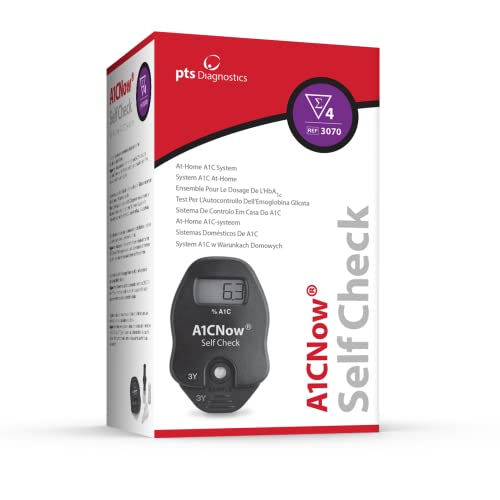
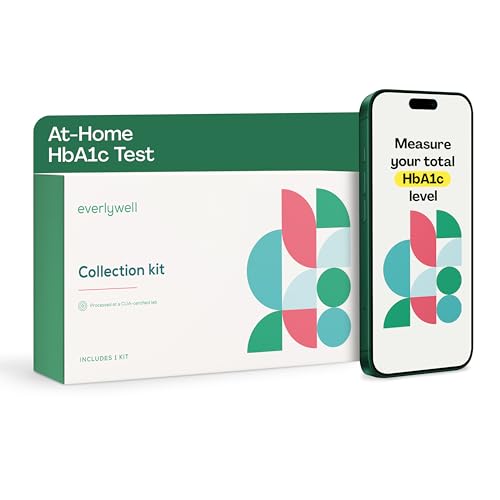
Prefer to order direct? The Everlywell HbA1c Test uses a CLIA-certified lab, physician-reviewed results, and prepaid return shipping.
What to Look For in a Continuous Glucose Monitor (CGM)
Over-the-counter CGMs like Dexcom Stelo and Abbott Lingo now sell without a prescription. Check the wear time (14–15 days per sensor), whether it reads to your phone or needs a separate device, and the monthly cost. For seeing how your own body responds to meals, a month or two is usually enough — you don't need to wear one forever.


What Makes a Good Fiber Supplement
For blood-sugar and cholesterol support you want SOLUBLE fiber — psyllium husk is the best studied. Start with one teaspoon and build up with plenty of water to avoid bloating, and take it 10–15 minutes before carb-heavy meals. Choose an unsweetened, additive-free powder or capsule.


Related Articles
Type 1 Diabetes Score Misses Remissions in Youth with Obesity
A Diabetes Care study finds insulin dose-adjusted hemoglobin A1c (IDAA1c) misses over half of...
Read article MetabolismStudy Finds Widening Disparities in Weight-Loss GLP-1 Access
A study of 512,389 commercially insured adults found that access gaps for weight-loss GLP-1...
Read article MetabolismNatural Peptide Protects Retinal Cells in Laboratory Diabetes Model
A study in Biomedicine & Pharmacotherapy shows the Annexin A1 peptide Ac2-26 shields retinal...
Read article MetabolismGenetic Markers of Young-Onset Type 2 Diabetes Identified in Study
A genome-wide study identified three genetic markers of young-onset type 2 diabetes that impair...
Read articleWant a clinician to work up your metabolic numbers?
Opt Health runs fasting insulin, A1C, a full lipid panel and 50+ other markers, then builds a treatment plan — GLP-1s included where they're appropriate — with a physician who reviews the data with you directly.
See Opt Health's metabolic program →Topic updates
Get the weekly metabolic health roundup
Insulin resistance, blood sugar, visceral fat, GLP-1 plateaus, metabolic syndrome, and weight-loss physiology.
Understand Your Health Better
Our free assessment maps your symptoms to the most relevant guides, tools, and product recommendations.
Take the Free Assessment →Free · Takes 5 minutes · Instant results
Affiliate disclosure: The Metabolic Journal is reader-supported. Some links above are affiliate or referral links and we may earn a commission at no extra cost to you. Products are chosen on the merits; commissions never influence what we recommend. This is general information, not medical advice — talk to your clinician before acting.