Impact of Stress on Blood Sugar Levels Shown in Medical Students
Continuous glucose monitoring tracks measurable glycemic rises in healthy individuals before and during academic testing.
Examination Stress Linked to Measurable Glucose Spikes
Acute psychological stress raises blood glucose levels in non-diabetic individuals during academic tests and the days preceding them. Researchers presented these observational findings at the annual meeting of the European Association for the Study of Diabetes (EASD) in Milan, Italy. The investigation evaluated healthy university students to determine whether routine examination pressure generates measurable metabolic shifts.
Continuous Glucose Data across the Examination Timeline
Continuous glucose monitoring (CGM) recorded the highest daily average glucose reading on the day of testing at 5.72 mmol/L. That figure marked an increase of 0.37 mmol/L from 5.35 mmol/L recorded four days prior to the exam. Levels dropped by 0.30 mmol/L to 5.42 mmol/L on the day following the test.
Overnight readings showed an upward trend as the examination approached. Sleep glucose rose from 4.70 mmol/L on the seventh night before testing to 4.93 mmol/L on the final night. During the exam period itself, glucose peaked during the written evaluation at an average of 6.14 mmol/L.
Hormonal Release and Liver Glucose Output
Elevated psychological stress triggers the release of cortisol, which prompts the liver to release stored glucose into the bloodstream. This biological response supplies rapid energy to handle demanding conditions. Self-reported anxiety measured on the State-Trait Anxiety Inventory (STAI) questionnaire correlated directly with higher glucose readings before the exam and steeper drops afterward.
Study authors noted that while these short-term elevations stayed within normal physiological boundaries, repeated stress exposure across months could alter typical metabolic ranges. Author Natalia Michalcova noted that recurring elevations may potentially contribute to the risk of type 2 diabetes over prolonged periods.
Cohort Parameters and Study Limitations
The observational study evaluated a small sample of 22 healthy second-year medical students, consisting of 13 women and 9 men. Participants had an average age of 21 years and an average body mass index (BMI) of 21.9 kg/m². Sensor readings were captured every 15 minutes starting seven days prior to a biochemistry exam and concluding three days afterward.
The findings represent observational data from a single cohort at Charles University and Motol University Hospital in Prague. Lead researcher Dr. Jan Broz highlighted basic lifestyle behaviors to help manage situational stress, including consistent sleep, balanced nutrition, hydration, regular exercise, and limiting excess caffeine intake.
How to test metabolic markers at home
You don't need a lab appointment to check your own metabolic markers — a few at-home kits mail you a collection kit and return physician-reviewed results online within days:
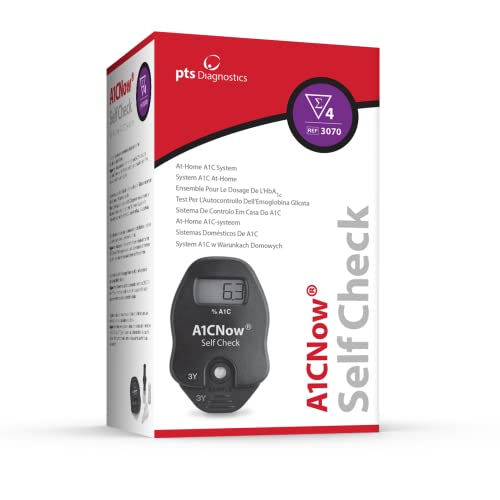
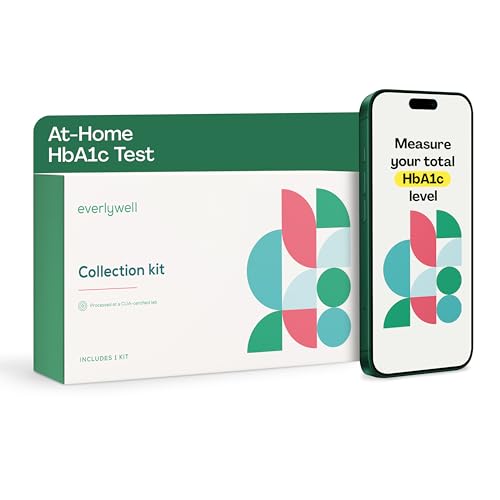
Prefer to order direct? The Everlywell HbA1c Test uses a CLIA-certified lab, physician-reviewed results, and prepaid return shipping.
What to Look For in a Continuous Glucose Monitor (CGM)
Over-the-counter CGMs like Dexcom Stelo and Abbott Lingo now sell without a prescription. Check the wear time (14–15 days per sensor), whether it reads to your phone or needs a separate device, and the monthly cost. For seeing how your own body responds to meals, a month or two is usually enough — you don't need to wear one forever.


What Makes a Good Fiber Supplement
For blood-sugar and cholesterol support you want SOLUBLE fiber — psyllium husk is the best studied. Start with one teaspoon and build up with plenty of water to avoid bloating, and take it 10–15 minutes before carb-heavy meals. Choose an unsweetened, additive-free powder or capsule.


Related Articles
Menin Restoration and D-Serine Reverse Aging Markers in Mice
Researchers found that restoring the brain protein Menin reversed signs of aging in older mice,...
Read article MetabolismStudy Links GLP-1 Drugs to Higher Rates of Nail Detachment
A multinational study links GLP-1 medications to nail detachment, nail discoloration, and hair...
Read article MetabolismExperimental Fat Cell Destruction Injection Shows Phase 2 Trial Results
Phase 2 trial results for CBL-514 show targeted subcutaneous fat reduction, while animal trials...
Read article MetabolismPolyethylene Microplastics Linked to Fatty Liver Disease
Texas A&M researchers found that polyethylene microplastics may promote fatty liver disease,...
Read articlePartner · Opt Health
Want a clinician to work up your metabolic numbers?
Opt Health runs fasting insulin, A1C, a full lipid panel and 50+ other markers, then builds a treatment plan — GLP-1s included where they're appropriate — with a physician who reviews the data with you directly.
See Opt Health's metabolic program →Topic updates
Get the weekly metabolic health roundup
Insulin resistance, blood sugar, visceral fat, GLP-1 plateaus, metabolic syndrome, and weight-loss physiology.
Understand Your Health Better
Our free assessment maps your symptoms to the most relevant guides, tools, and product recommendations.
Take the Free Assessment →Free · Takes 5 minutes · Instant results
Affiliate disclosure: The Metabolic Journal is reader-supported. Some links above are affiliate or referral links and we may earn a commission at no extra cost to you. Products are chosen on the merits; commissions never influence what we recommend. This is general information, not medical advice — talk to your clinician before acting.