Good Sleep Linked to Brain Volume in Cardiometabolic Disease
A UK Biobank study found better cognition and larger brain volume in adults with diabetes, heart disease, or stroke who slept well.
Good Sleep Tracks with Preserved Brain Structure
People with type 2 diabetes, heart disease, or stroke who maintain good sleep habits show larger brain volume and better cognitive performance than those with poor sleep. Researchers at Karolinska Institutet analyzed records from middle-aged and older adults to assess whether sleep quality influences brain outcomes in people with these conditions. The peer-reviewed findings appeared on November 4, 2026, in the Journal of the American Heart Association (JAHA).
Cardiometabolic conditions carry a recognized association with cognitive decline and dementia. The study examined whether healthy sleep patterns offset that structural and functional decline in affected adults.
Study Examined UK Biobank Records and Brain Scans
The observational study evaluated records from more than 400,000 participants enrolled in the United Kingdom (UK) Biobank. Within that cohort, just over 54,000 participants had a diagnosis of at least one cardiometabolic condition. Researchers also examined magnetic resonance imaging (MRI) brain scans from nearly 35,000 participants.
Investigators scored sleep quality using five self-reported metrics. Participants recorded their regular sleep duration, circadian rhythm preferences, insomnia symptoms, snoring frequency, and daytime sleepiness levels.
- Total study sample included over 400,000 middle-aged and older adults.
- The cardiometabolic group comprised 54,000 adults with diabetes, heart disease, or stroke.
- Structural magnetic resonance imaging (MRI) scans were analyzed for nearly 35,000 individuals.
Better Test Scores and Greater Tissue Volume Observed
Participants with cardiometabolic disease who reported healthy sleep scored higher on tests of general cognition, processing speed, and problem-solving. While the cognitive differences between good and poor sleepers were modest, the imaging differences were distinct. Good sleepers with cardiometabolic disease had significantly larger total brain volumes than poor sleepers with the same diagnoses.
The volumetric preservation extended across both gray and white matter compartments. The relationship between sleep quality and brain volume was more pronounced in adults with cardiometabolic conditions than in participants without those diagnoses.
Practical Context for Cardiometabolic Management
Sleep quality represents a modifiable daily routine that works alongside standard cardiometabolic therapies. Lead researcher Abigail Dove noted that improving sleep habits offers a practical target for individuals managing long-term vascular or metabolic disease.
Cardiometabolic conditions impair vascular delivery and metabolic clearance in neurological tissue. Addressing sleep disruptions may help reduce secondary strain on neural structures already vulnerable to vascular disease. Individuals managing type 2 diabetes or cardiovascular conditions can review persistent insomnia, snoring, or chronic daytime sleepiness with their personal physician.
Observational Design and Self-Reported Metrics Limit Findings
The findings rely on observational data that show statistical correlation rather than direct causation. The study design cannot establish that improving sleep directly increases brain volume or prevents dementia.
Sleep factors were collected through self-reported questionnaires rather than objective polysomnography or wearable trackers. Self-reporting introduces recall bias and may not reflect subtle nighttime sleep disruptions or undiagnosed sleep apnea. Further interventional trials are required to test whether deliberate sleep therapies halt structural brain loss in cardiometabolic populations.
What to Look For in a Sleep & Recovery Tracker
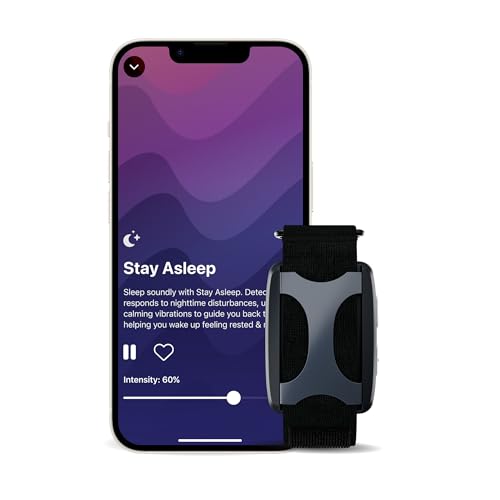
The Oura Ring and Whoop are the most accurate consumer options for sleep stages and HRV; a smartwatch (Apple Watch, Garmin) works too if you'd rather not wear a ring. Prioritize validated HRV and sleep-stage tracking over step counts, check whether it needs a subscription (Whoop does), and pick something comfortable enough to wear every night.

What Makes a Good Magnesium Supplement
Form matters more than dose: magnesium glycinate and citrate absorb well and are gentle on the stomach, while cheap magnesium oxide is poorly absorbed. A typical supplemental dose is 200–400 mg of elemental magnesium (check the label — it's usually lower than the pill weight). Take it in the evening if you're using it for sleep, and pick a third-party-tested brand.


Related Articles
Type 1 Diabetes Score Misses Remissions in Youth with Obesity
A Diabetes Care study finds insulin dose-adjusted hemoglobin A1c (IDAA1c) misses over half of...
Read article MetabolismStudy Finds Widening Disparities in Weight-Loss GLP-1 Access
A study of 512,389 commercially insured adults found that access gaps for weight-loss GLP-1...
Read article MetabolismGlucose-Powered Implant Improves Blood Sugar in Animal Study
A study in Nature reports on NeuroAxis, an experimental implant powered by glucose that...
Read article MetabolismNatural Peptide Protects Retinal Cells in Laboratory Diabetes Model
A study in Biomedicine & Pharmacotherapy shows the Annexin A1 peptide Ac2-26 shields retinal...
Read articleWant help fixing your sleep for real?
Opt Health treats sleep as a measurable system — cortisol rhythm, thyroid, testosterone, inflammation — and works the biology behind bad sleep with a physician, not a sleep-hygiene checklist.
See Opt Health's sleep program →Topic updates
Get the weekly metabolic health roundup
Insulin resistance, blood sugar, visceral fat, GLP-1 plateaus, metabolic syndrome, and weight-loss physiology.
Understand Your Health Better
Our free assessment maps your symptoms to the most relevant guides, tools, and product recommendations.
Take the Free Assessment →Free · Takes 5 minutes · Instant results
Affiliate disclosure: The Metabolic Journal is reader-supported. Some links above are affiliate or referral links and we may earn a commission at no extra cost to you. Products are chosen on the merits; commissions never influence what we recommend. This is general information, not medical advice — talk to your clinician before acting.