Feijoa Powder Shows Blood Pressure Effect in Clinical Trial
A six-month randomized trial evaluated feijoa powder during weight loss in adults with prediabetes.
What the Auckland Feijoa Trial Discovered
A randomized clinical trial by researchers at the University of Auckland found that daily feijoa powder intake improved systolic blood pressure during weight loss. The trial evaluated 97 adults with elevated blood sugar across a six-month intervention. Participants took approximately one gram of whole-fruit feijoa powder, branded as Feiolix and supplied by Anagenix Ltd, or a matching placebo with their breakfast each morning.
The blood pressure improvement occurred as an unexpected secondary observation. The trial, named FERDINAND, was designed to investigate whether feijoa could reduce type 2 diabetes risk by enhancing weight loss or improving blood glucose control.
Blood Sugar and Weight Loss Outcomes
Feijoa powder did not produce meaningful changes in body weight or blood sugar levels compared to the placebo. For the first two months, all participants followed a meal replacement program to reduce body weight. The remaining four months focused on maintaining that weight loss.
Blood glucose measurements remained comparable between both arms of the study. Dr. Ibrahim Mohamed of the University of Auckland's Human Nutrition Unit stated that the metabolic markers the team set out to evaluate showed no change from the supplement.
Bioactive Compounds in Whole Feijoa Fruit
Feijoa contains specific plant compounds that interest nutrition researchers studying cardiovascular and metabolic function. These include polyphenols, flavonoids, vitamin C, and abscisic acid (ABA).
Scientists examine these compounds for antioxidant, anti-inflammatory, and metabolic actions. A prior short-term clinical trial in Iran observed metabolic changes in patients with type 2 diabetes, prompting New Zealand researchers to study long-term outcomes in people with prediabetes.
Trial Limitations and Next Research Steps
The blood pressure findings remain preliminary because the effect did not reach consistency across all statistical analyses. The sample size of 97 participants limits the certainty of the outcome.
Dr. Ibrahim Mohamed noted that larger cohorts are required to confirm whether feijoa powder contributes to lower systolic blood pressure. The study was conducted in collaboration with AgResearch, the Malaghan Institute, and Plant and Food Research under the High-Value Nutrition National Science Challenge (Ko Ngā Kai Whai Painga).
Context for Metabolic Health Management
Individuals managing blood pressure or prediabetes should treat these findings as an early signal rather than an established therapy. Whole-fruit extracts do not replace proven clinical protocols for hypertension or blood glucose regulation.
Anyone reviewing their dietary routine should speak with a clinician about their broader cardiovascular care plan. Larger clinical trials will be required to establish whether feijoa provides repeatable blood pressure support.
What to Look For in a Blood Pressure Monitor
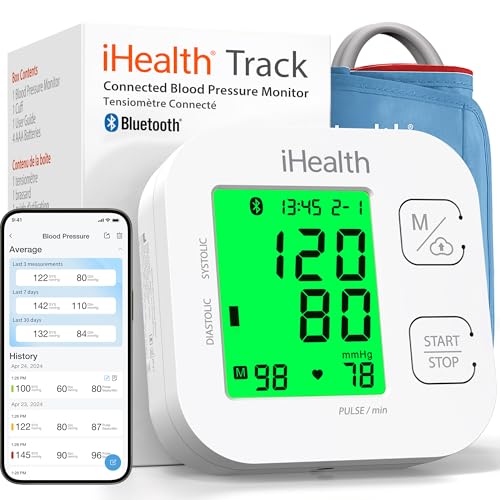
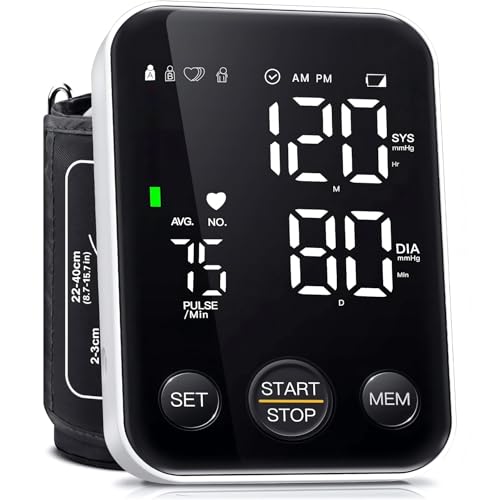
An upper-arm cuff is more accurate than a wrist model. Pick a clinically validated device with a cuff sized to your arm, and take readings seated after five minutes of rest. Models that store readings or sync to an app make it easy to share trends with your doctor.
Related Articles
Glucagon-Like Peptide-1 (GLP-1) Receptor Agonist Anesthesia Risks
A UK study of 47,039 surgical patients found that glucagon-like peptide-1 receptor agonists...
Read article MetabolismNew Weight-Loss Injection CBL-514 Reduces Abdominal Fat
Phase 2 trial data presented at EASD 2026 shows investigational injection CBL-514 selectively...
Read article MetabolismCardiorenal Disease Risk in Type 2 Diabetes Reaches 33% at 5 Years
A study of 1.62 million adults with type 2 diabetes shows nearly one in three develops chronic...
Read article MetabolismTrevogrumab Cuts Lean Mass Loss by Half in Semaglutide Phase 2 Trial
Phase 2 trial data presented at EASD show the experimental myostatin inhibitor trevogrumab cut...
Read articlePartner · Opt Health
Want a clinician to work up your metabolic numbers?
Opt Health runs fasting insulin, A1C, a full lipid panel and 50+ other markers, then builds a treatment plan — GLP-1s included where they're appropriate — with a physician who reviews the data with you directly.
See Opt Health's metabolic program →Topic updates
Get the weekly metabolic health roundup
Insulin resistance, blood sugar, visceral fat, GLP-1 plateaus, metabolic syndrome, and weight-loss physiology.
Understand Your Health Better
Our free assessment maps your symptoms to the most relevant guides, tools, and product recommendations.
Take the Free Assessment →Free · Takes 5 minutes · Instant results
Affiliate disclosure: The Metabolic Journal is reader-supported. Some links above are affiliate or referral links and we may earn a commission at no extra cost to you. Products are chosen on the merits; commissions never influence what we recommend. This is general information, not medical advice — talk to your clinician before acting.