Earlier Bedtime Linked to Greater Weight Loss in Prediabetes Trial
A randomized trial shows moving sleep earlier produced 1.3 pounds of weight loss per hour without altering glucose.
Trial Links Earlier Sleep Timing to Weight Loss in Prediabetes
Adults with prediabetes who shifted their sleep timing earlier lost more weight over eight weeks, according to a randomized controlled trial published in Nursing Research.
Researchers at the New York University (NYU) Rory Meyers College of Nursing evaluated whether sleep coaching added to a standard diabetes prevention lifestyle program improved metabolic outcomes.
The trial enrolled 196 adults between the ages of 21 and 64 who were diagnosed with prediabetes and routinely slept less than 6.5 hours each night.
Study Compares Standard Lifestyle Coaching to Added Sleep Sessions
Participants were randomly assigned to an eight-week diabetes prevention program or the same program with dedicated sleep coaching.
Both arms received weekly video instruction covering nutrition, physical activity, and stress management. The sleep group received extra guidance on sleep hygiene, conditioning the bed solely for rest, and gradually moving bedtime earlier to lengthen sleep duration.
Investigators tracked participants before and after the intervention using sleep logs, research-grade wrist actigraphs, and continuous glucose monitor (CGM) sensors.
Earlier Bedtimes Produced Weight Loss Without Altering Blood Sugar
Each hour earlier a participant fell asleep was associated with roughly 1.3 pounds (0.6 kilograms) of weight loss over the eight weeks.
Participants who received sleep coaching moved their sleep onset significantly earlier, reported better sleep quality, and experienced less daytime fatigue. Both study groups recorded weight loss and better sleep overall.
Neither intervention changed continuous glucose readings. Total sleep duration alone did not correlate with improved blood glucose levels or weight reduction.
Biological Mechanisms That May Drive Sleep Timing Outcomes
Falling asleep earlier may reduce late-night caloric intake during hours when glucose tolerance and insulin sensitivity reach their daily low.
The authors also noted that late nights increase exposure to artificial light, elevate sympathetic nervous system activity, and raise levels of ghrelin, a hormone that stimulates appetite.
Shifting sleep earlier may therefore align eating patterns with the body's optimal metabolic window.
Trial Boundaries and Considerations for Prediabetes Management
The study lasted eight weeks and looked exclusively at adults with prediabetes who were baseline short sleepers. Long-term metabolic effects remain unverified.
Sleep extension did not alter blood glucose in this cohort, indicating that earlier timing rather than raw sleep duration drove the weight differences observed.
Individuals tracking metabolic markers should speak with a clinician about circadian habits and schedule modifications as part of an overall diabetes prevention strategy.
How to test metabolic markers at home
You don't need a lab appointment to check your own metabolic markers — a few at-home kits mail you a collection kit and return physician-reviewed results online within days:
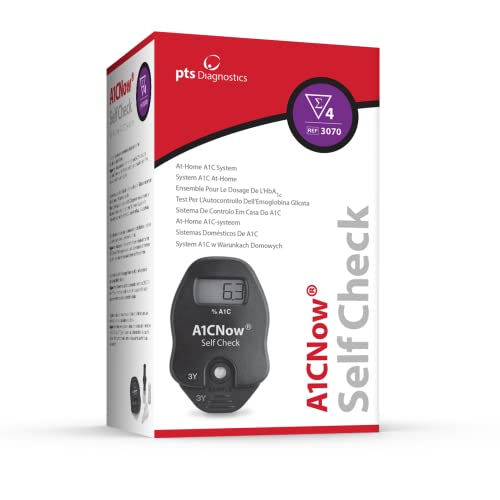
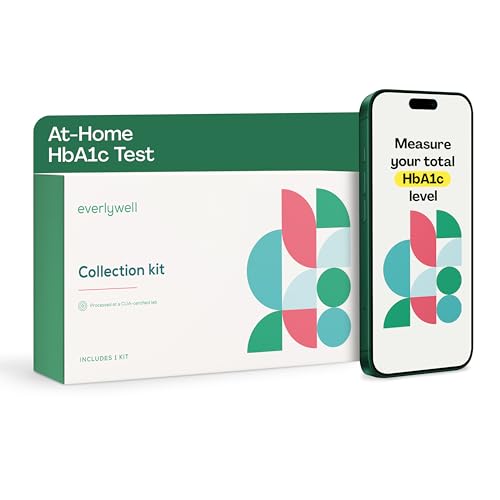
Prefer to order direct? The Everlywell HbA1c Test uses a CLIA-certified lab, physician-reviewed results, and prepaid return shipping.
What to Look For in a Continuous Glucose Monitor (CGM)
Over-the-counter CGMs like Dexcom Stelo and Abbott Lingo now sell without a prescription. Check the wear time (14–15 days per sensor), whether it reads to your phone or needs a separate device, and the monthly cost. For seeing how your own body responds to meals, a month or two is usually enough — you don't need to wear one forever.


What Makes a Good Fiber Supplement
For blood-sugar and cholesterol support you want SOLUBLE fiber — psyllium husk is the best studied. Start with one teaspoon and build up with plenty of water to avoid bloating, and take it 10–15 minutes before carb-heavy meals. Choose an unsweetened, additive-free powder or capsule.


Related Articles
Type 1 Diabetes Score Misses Remissions in Youth with Obesity
A Diabetes Care study finds insulin dose-adjusted hemoglobin A1c (IDAA1c) misses over half of...
Read article MetabolismStudy Finds Widening Disparities in Weight-Loss GLP-1 Access
A study of 512,389 commercially insured adults found that access gaps for weight-loss GLP-1...
Read article MetabolismGlucose-Powered Implant Improves Blood Sugar in Animal Study
A study in Nature reports on NeuroAxis, an experimental implant powered by glucose that...
Read article MetabolismNatural Peptide Protects Retinal Cells in Laboratory Diabetes Model
A study in Biomedicine & Pharmacotherapy shows the Annexin A1 peptide Ac2-26 shields retinal...
Read articleWant medical weight loss instead of another diet?
Opt Health prescribes and monitors GLP-1 therapy against real labs — insulin, A1C, lipids, thyroid, hormones — so the plan fits your physiology rather than a generic protocol. Medication ships to your door.
See Opt Health's weight-loss program →Topic updates
Get the weekly metabolic health roundup
Insulin resistance, blood sugar, visceral fat, GLP-1 plateaus, metabolic syndrome, and weight-loss physiology.
Understand Your Health Better
Our free assessment maps your symptoms to the most relevant guides, tools, and product recommendations.
Take the Free Assessment →Free · Takes 5 minutes · Instant results
Affiliate disclosure: The Metabolic Journal is reader-supported. Some links above are affiliate or referral links and we may earn a commission at no extra cost to you. Products are chosen on the merits; commissions never influence what we recommend. This is general information, not medical advice — talk to your clinician before acting.