Continuous Glucose Monitoring Links Glucose Spikes to Heart Risks
A Framingham Heart Study analysis connects dynamic blood sugar patterns with higher rates of hypertension and high cholesterol in adults without diabetes.
Continuous Glucose Monitoring Identifies Hidden Blood Sugar Patterns
Continuous glucose monitoring (CGM) tracking reveals daily blood sugar elevations that standard clinic tests often miss in adults without diabetes. Researchers at the Boston University Chobanian and Avedisian School of Medicine evaluated whether dynamic glucose shifts relate to early markers of cardiovascular disease.
The study examined approximately 1,300 participants from the Framingham Heart Study who had no prior diagnosis of diabetes or cardiovascular disease. Investigators tracked average glucose, overall glucose variability, and sustained periods of elevated readings across normal daily routines.
Time Above 140 mg/dL Correlates With Hypertension and Cholesterol
Participants who spent a higher percentage of time with blood sugar exceeding 140 mg/dL showed significantly higher risks of hypertension and high cholesterol. Higher average glucose levels across the monitoring period mirrored this same upward cardiometabolic risk pattern.
Standard laboratory evaluations rely on fasting plasma glucose (FPG) and hemoglobin A1c (HbA1c) to evaluate metabolic function. The study authors observed that while FPG and HbA1c provide useful clinical snapshots, they fail to capture the intermittent blood sugar fluctuations that occur throughout a typical day.
Study Design and Cross-Sectional Evidence Limits
The published findings in Diabetes Care represent cross-sectional associations rather than direct evidence of cause and effect. The data show that specific glucose patterns coexist with elevated blood pressure and abnormal cholesterol, but they do not prove that glucose excursions caused the vascular changes.
The investigators noted that additional studies are required before clinicians can use continuous sensors for cardiovascular screening in healthy populations. Emerging longitudinal research cited by the authors continues to track whether sustained time above 140 mg/dL predicts the future development of type 2 diabetes.
Practical Context for Personal Metabolic Tracking
Wearable glucose sensors remain approved primarily for diabetes management rather than routine cardiovascular risk screening in healthy adults. Individuals who observe recurring readings above 140 mg/dL should discuss those patterns with a physician alongside traditional blood pressure and lipid panels.
Lifestyle modifications that reduce post-meal glucose spikes may support broader cardiovascular health, but sensor data cannot substitute for regular clinical testing. Anyone reviewing their daily glucose curves should interpret isolated excursions cautiously until larger prospective trials confirm their long-term clinical relevance.
How to test metabolic markers at home
You don't need a lab appointment to check your own metabolic markers — a few at-home kits mail you a collection kit and return physician-reviewed results online within days:
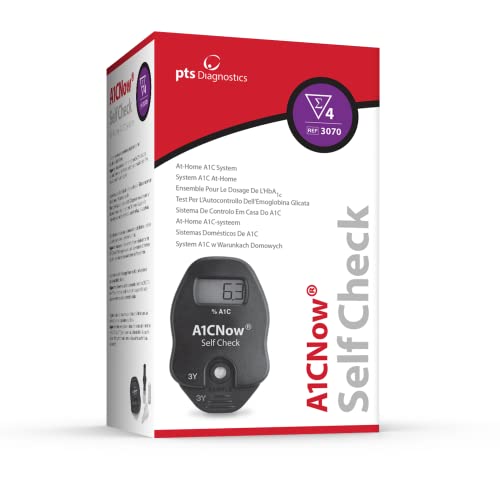
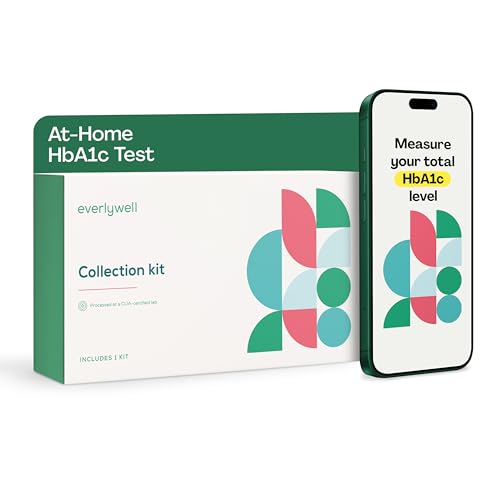
Prefer to order direct? The Everlywell HbA1c Test uses a CLIA-certified lab, physician-reviewed results, and prepaid return shipping.
What to Look For in a Continuous Glucose Monitor (CGM)
Over-the-counter CGMs like Dexcom Stelo and Abbott Lingo now sell without a prescription. Check the wear time (14–15 days per sensor), whether it reads to your phone or needs a separate device, and the monthly cost. For seeing how your own body responds to meals, a month or two is usually enough — you don't need to wear one forever.


What Makes a Good Fiber Supplement
For blood-sugar and cholesterol support you want SOLUBLE fiber — psyllium husk is the best studied. Start with one teaspoon and build up with plenty of water to avoid bloating, and take it 10–15 minutes before carb-heavy meals. Choose an unsweetened, additive-free powder or capsule.


Related Articles
Gut Microbe Molecule Vaccenic Acid Activates Liver Receptor LRH-1
Researchers identified vaccenic acid as a bacterial ligand for receptor LRH-1, showing reduced...
Read article MetabolismDiabetes Distress Assessment Guidelines Released by EASD
The EASD published evidence-based diabetes distress assessment guidelines in Diabetologia,...
Read article MetabolismWhole Grain Intake of 60 to 100 Grams Daily Improves Heart Markers
A review of 87 clinical trials in the European Heart Journal found consuming 60 to 100 grams of...
Read article MetabolismBlack and Green Rice Contain Unique Fats and Slower-Digesting Starch
A Hokkaido University study identified 196 lipids across 56 japonica rice cultivars, showing...
Read articlePartner · Opt Health
Want a clinician to work up your metabolic numbers?
Opt Health runs fasting insulin, A1C, a full lipid panel and 50+ other markers, then builds a treatment plan — GLP-1s included where they're appropriate — with a physician who reviews the data with you directly.
See Opt Health's metabolic program →Topic updates
Get the weekly metabolic health roundup
Insulin resistance, blood sugar, visceral fat, GLP-1 plateaus, metabolic syndrome, and weight-loss physiology.
Understand Your Health Better
Our free assessment maps your symptoms to the most relevant guides, tools, and product recommendations.
Take the Free Assessment →Free · Takes 5 minutes · Instant results
Affiliate disclosure: The Metabolic Journal is reader-supported. Some links above are affiliate or referral links and we may earn a commission at no extra cost to you. Products are chosen on the merits; commissions never influence what we recommend. This is general information, not medical advice — talk to your clinician before acting.