Blood Pressure Drug and Vibration Boost Brain Clearance in Trial
Researchers at the University of Oulu used medication and mechanical stimulation to increase the removal of brain proteins in healthy adults.
Blood Pressure Medication and Vibration Increased Waste Removal in Healthy Adults
A combined treatment of blood pressure medication and whole-body vibration increased the clearance of waste proteins from the human brain during wakefulness. Researchers at the University of Oulu and Oulu University Hospital published the randomized crossover trial in Nature Communications.
The trial enrolled 29 healthy adult volunteers to test whether waking brain fluid circulation could be stimulated mechanically. Waste removal in the brain normally peaks during sleep, when blood pressure drops and slow vascular pulsations increase. By inducing these vascular changes while participants were awake, the intervention cleared brain-derived proteins into the bloodstream at higher rates than normal baseline conditions.
Vasomotor Pulsations and Piezo1 Activation Drove Cerebrospinal Fluid Movement
The experimental protocol combined two distinct physical mechanisms to move fluid through brain tissue. First, a medication that temporarily lowers blood pressure induced transient dilation of blood vessels through nitric oxide (NO) signaling. This drop strengthened the slow vasomotor and respiratory pulsations that drive cerebrospinal fluid circulation, replicating fluid dynamics typically seen during sleep.
Second, rhythmic whole-body vibration targeted mechanosensitive Piezo1 channels located in the blood vessel walls. Piezo1 channels regulate vascular constriction and fluid dynamics. In previous rodent research, activating these channels stimulated meningeal lymphatic flow and lowered amyloid accumulation. In this human trial, the two stimuli worked together to propel fluid through brain tissue toward venous drainage paths.
Blood Biomarkers Confirmed Protein Movement Out of the Brain
Blood samples collected from participants showed significant increases in proteins originating in the central nervous system. Circulating levels of beta-amyloid 40, beta-amyloid 42, and glial fibrillary acidic protein (GFAP) rose following the intervention. Higher blood concentrations indicated that these target proteins moved out of brain tissue and entered systemic circulation for disposal.
The researchers tracked these movements using multimodal magnetic resonance imaging (MRI) paired with an MRI-compatible physiological monitoring system. The wearable device combined functional near-infrared spectroscopy (fNIRS) with direct-current electroencephalography (dcEEG) to record real-time fluid shifts. Imaging confirmed structural fluid redistribution, specifically around large cerebral veins where waste products exit brain parenchyma.
Trial Boundaries and What Remains Unproven
The findings demonstrate short-term fluid mechanics in a small, healthy cohort rather than a preventive therapy for dementia. All 29 participants were healthy adults without neurodegenerative diagnoses, so the protocol has not been evaluated in individuals with existing cognitive impairment. Further research must determine whether repeatedly clearing these proteins alters long-term clinical outcomes.
The trial relied on a controlled laboratory protocol rather than off-the-shelf therapies. Participants received a precise combination of drug-induced nitric oxide release and calibrated vibration under constant hemodynamic monitoring. Attempting to replicate this intervention at home using commercial vibration plates or unprescribed blood pressure medications carries cardiovascular risks and lacks clinical evidence.
Clinical Implications for Metabolic Health and Sleep
Sleep remains the primary physiological driver of brain waste removal accessible outside a research laboratory. Natural deep sleep lowers systemic blood pressure and generates the slow vascular pulsations that flush waste through the glymphatic network. Protecting consistent sleep duration and regular sleep architecture supports this endogenous clearance mechanism without pharmaceutical intervention.
For readers monitoring cognitive risk or vascular health, discuss validated blood pressure targets and sleep hygiene practices with a primary care clinician.
What to Look For in a Blood Pressure Monitor
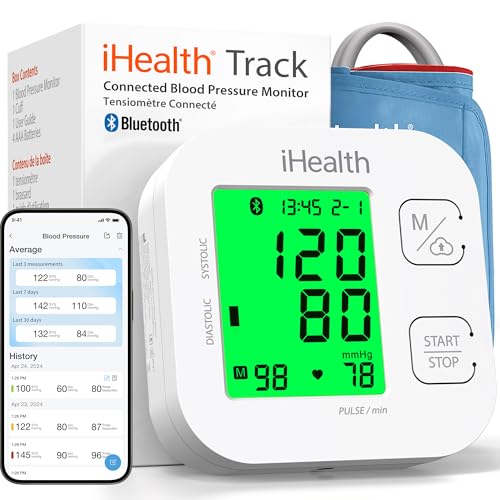
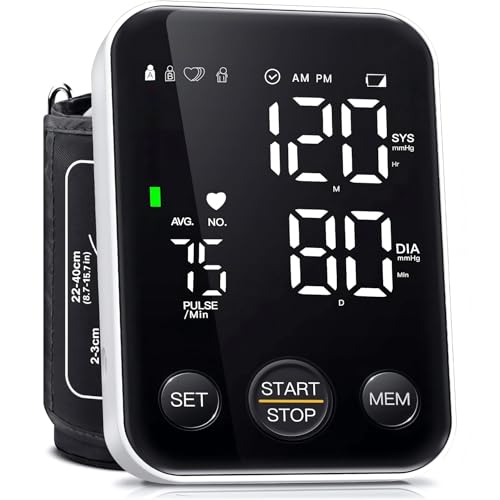
An upper-arm cuff is more accurate than a wrist model. Pick a clinically validated device with a cuff sized to your arm, and take readings seated after five minutes of rest. Models that store readings or sync to an app make it easy to share trends with your doctor.
Related Articles
Pulse Oximetry May Undercount Sleep Apnea Events in Black Patients
Mass General Brigham researchers found pulse oximetry missed roughly 20 percent of sleep apnea...
Read article RecoveryCochrane Review Finds Weak Evidence for Medical Cannabis in Insomnia
A Cochrane review of nine trials shows low-certainty evidence that medical cannabis improves...
Read article RecoveryIrregular Sleep Schedules Linked to Higher Cardiovascular Risk
Preliminary data from the All of Us program links night-to-night sleep schedule shifts to higher...
Read article RecoveryAI and Wearable Trackers Predict Hypertensive Crisis Days Early
A 12-month study found artificial intelligence analyzing wearable tracker data and blood...
Read articleWant a clinician to work up your metabolic numbers?
Opt Health runs fasting insulin, A1C, a full lipid panel and 50+ other markers, then builds a treatment plan — GLP-1s included where they're appropriate — with a physician who reviews the data with you directly.
See Opt Health's metabolic program →Topic updates
Get the weekly recovery roundup
Sleep, HRV, fatigue, burnout, cortisol rhythm, sleep apnea, overtraining, and stress physiology.
Understand Your Health Better
Our free assessment maps your symptoms to the most relevant guides, tools, and product recommendations.
Take the Free Assessment →Free · Takes 5 minutes · Instant results
Affiliate disclosure: The Metabolic Journal is reader-supported. Some links above are affiliate or referral links and we may earn a commission at no extra cost to you. Products are chosen on the merits; commissions never influence what we recommend. This is general information, not medical advice — talk to your clinician before acting.