Wolverine Stack vs Glow Stack for Recovery and Skin
Medically reviewed by Medical Advisory Board Last reviewed 2026-09-09
A formula labeled Glow or Klow may already include the entire Wolverine combination under a different name.
Choose Wolverine for a focused injury-recovery protocol, Glow when GHK-Cu's skin and collagen role is also a goal, and Klow when the added KPV anti-inflammatory angle is relevant. These stacks are complementary variations rather than mutually exclusive recovery systems because all three share BPC-157 and TB-500.
The Wolverine Stack fits injury recovery, while the Glow Stack adds the copper-binding tripeptide GHK-Cu (glycyl-L-histidyl-L-lysine) for skin and collagen goals. The wolverine stack vs glow stack comparison is therefore a choice between a two-peptide recovery protocol and the same recovery core with GHK-Cu added. At The Metabolic Journal, we compare the ingredient lists before the superhero names because Glow and Klow may already contain a complete Wolverine core.
The Wolverine Stack combines BPC-157 with TB-500 (Thymosin Beta-4). Glow keeps both peptides and adds GHK-Cu. Klow goes one step further by adding KPV (lysine-proline-valine), a peptide studied for anti-inflammatory effects. Glow and Klow are informal community names, so their exact ingredients and protocols can vary by source.
Partner · Opt Health
Skin reflects what the panel shows
Opt Health treats skin as an output of hormones, inflammation and nutrient status rather than a surface problem to be creamed over.
Read Opt Health on skin health →Wolverine Stack vs Glow Stack: Side-by-Side
| Factor | The Wolverine Stack (BPC-157 + TB-500) | The Glow Stack (GHK-Cu + BPC-157 + TB-500) |
|---|---|---|
| Primary peptides | BPC-157 and TB-500 | GHK-Cu, BPC-157, and TB-500 |
| Primary goal | Tendon, ligament, muscle, gut, and nerve recovery research | The same recovery goals with an added skin, collagen, and anti-aging emphasis |
| Mechanism emphasis | Local growth-factor and nitric oxide activity from BPC-157, plus systemic angiogenesis and cell migration from TB-500 | The Wolverine mechanisms plus copper-peptide activity studied for skin appearance, wound healing, hair, and inflammation |
| Typical cycle approach | A defined loading and maintenance structure, commonly lasting 4 to 12 weeks | No canonical cycle; composition, route, duration, and GHK-Cu use vary by source |
| Protocol standardization | This site uses a consistent two-peptide protocol, although it is not an approved clinical standard | Community and vendor protocols differ, with no clinically established injectable GHK-Cu dose |
| FDA and regulatory status | Neither peptide is approved as a drug by the U.S. Food and Drug Administration (FDA); a final compounding decision remains pending | None of the three injectable components is FDA-approved; GHK-Cu was separate from the BPC-157 and TB-500 compounding review |
| Whether often combined | BPC-157 and TB-500 are the shared recovery core | Glow already contains the Wolverine core, so adding a separate Wolverine blend can duplicate BPC-157 and TB-500 |
Wolverine Stack vs Glow Stack Mechanism
The mechanism difference is the GHK-Cu added to Glow. BPC-157 and TB-500 perform the same recovery roles in both stacks, so Glow does not replace the Wolverine recovery mechanism. Glow extends the ingredient list toward skin appearance, collagen, wound healing, hair, and inflammation research.
BPC-157 is described as the more local part of the shared formula. Its proposed actions include growth-factor upregulation, nitric oxide signaling, tendon-to-bone healing, and anti-inflammatory activity. TB-500 has a broader systemic emphasis through angiogenesis, which is new blood vessel formation, and the movement of fibroblast and endothelial cells involved in tissue repair.
GHK-Cu introduces a separate copper-peptide pathway. The body naturally contains GHK-Cu in plasma, although its levels decline with age. Its long history in topical skincare explains the Glow name, but topical cosmetic use and injectable research use belong to different regulatory categories. An injectable Glow protocol has no established clinical standard.
The ingredient overlap changes how you should read a product label. A Glow formula containing GHK-Cu, BPC-157, and TB-500 already includes the full Wolverine combination. Adding another product labeled Wolverine could repeat the two recovery peptides instead of introducing a separate mechanism.
The Shared Core of BPC-157 and TB-500
BPC-157 and TB-500 form the recovery core of Wolverine, Glow, and Klow. A person comparing these names is not choosing between unrelated recovery systems. The decision concerns which additional peptide, if any, belongs beside the same BPC-157 and TB-500 base.
The available research gives BPC-157 a local tissue-repair emphasis. Tendon and ligament injuries, muscle tears, gut healing with oral BPC-157, and peripheral nerve repair are among its best-evidenced research uses. Proposed mechanisms include growth-factor activity and nitric oxide pathways that influence inflammation and tissue recovery.
TB-500 supplies the systemic side of the pairing. Angiogenesis may support blood supply to repairing tissue, while fibroblast and endothelial migration move repair-related cells toward damaged areas. This complementary local and systemic pattern explains why the two peptides are paired under the Wolverine name.
The established Wolverine Stack protocol uses a loading phase followed by maintenance and commonly runs for 4 to 12 weeks. BPC-157 and TB-500 can also be drawn into the same syringe under that protocol. Glow does not automatically inherit one fixed cycle because GHK-Cu route, formulation, and duration vary across community and vendor descriptions.
Check the written ingredient list before comparing stack names. A formula marketed as Glow may contain the complete Wolverine core, but informal naming does not guarantee the same composition from every source.
What GHK-Cu Adds to Glow
GHK-Cu adds the skin, collagen, and anti-aging emphasis associated with the Glow Stack. GHK-Cu is a naturally occurring tripeptide that binds copper and is also known in cosmetics as copper tripeptide-1. Its concentration in human plasma declines with age.
Topical GHK-Cu has been used in mainstream skincare for years. Products commonly market copper peptides for skin appearance and collagen support. That history provides a clearer basis for topical cosmetic use than for injectable Glow protocols.
Injectable GHK-Cu is a separate category. Animal research and limited human data have examined wound healing, hair, and anti-inflammatory effects, but injectable GHK-Cu is not FDA-approved. Community-reported injection schedules exist, yet they do not amount to a clinical dosing standard. Glow composition and dosing can therefore differ by source.
The distinction affects the decision. Someone interested only in cosmetic skin appearance may discuss established topical copper-peptide products instead of adding an unapproved injectable to a recovery stack. Someone pursuing skin support alongside tendon, ligament, or muscle recovery may consider Glow because it retains BPC-157 and TB-500.
The peptides for skin guide places GHK-Cu in the broader skin category alongside the full GHK-Cu profile. Keep the route visible when comparing claims. Evidence for a topical cosmetic ingredient does not establish the same dose, effect, or regulatory status for an injection.
What KPV Adds to Klow
Klow adds KPV to the three peptides commonly found in Glow. The full informal combination is GHK-Cu, BPC-157, TB-500, and KPV. KPV stands for lysine-proline-valine and comes from the C-terminal end of alpha-melanocyte-stimulating hormone (alpha-MSH).
KPV has been studied for anti-inflammatory properties, especially in animal models of gut inflammation. Klow therefore shifts the stack toward an additional inflammation and gut-research emphasis while retaining Glow's skin angle and Wolverine's recovery core.
Klow has the same naming problem as Glow. No standardized Klow composition or clinical dosing schedule exists, and different sources may use the label differently. The extra ingredient also does not mean a separate Wolverine Stack must be added. A Klow formula containing all four listed peptides already includes BPC-157 and TB-500.
A written ingredient inventory is more useful than comparing superhero labels alone. List each peptide once, record its intended role, and ask a qualified provider to identify any duplicated components. That step separates a four-peptide Klow formula from a product that merely uses the Klow name.
How the Wolverine Stack vs Glow Stack Cycle Differs
The Wolverine Stack has a more clearly defined cycle structure than the Glow Stack. The established Wolverine approach uses daily BPC-157 with a TB-500 loading phase, followed by less frequent TB-500 maintenance. A typical course lasts 4 to 12 weeks, depending on the recovery goal and clinical oversight.
Glow has no equivalent canonical protocol. Sources may differ on the form of GHK-Cu, the route used, the length of the cycle, and whether the ingredients are supplied together or separately. No clinically accepted injectable GHK-Cu dose resolves those differences.
Do not copy a Wolverine schedule and assume that GHK-Cu fits into it without a separate decision. The two recovery peptides can follow the established Wolverine structure, but a qualified provider must define whether GHK-Cu belongs in the plan and how it is handled. The same rule applies to KPV in a Klow formula.
If a clinician supplies a lyophilized peptide, the peptide reconstitution guide explains general vial preparation and handling. Reconstitution instructions do not establish which peptides belong in a Glow or Klow formula, and they do not create a clinical dose where none exists.
When to Choose The Wolverine Stack (BPC-157 + TB-500)
The Wolverine Stack is the clearer choice when injury recovery is the main goal and the added skin component is unnecessary. Its two-peptide structure focuses on the complementary roles of BPC-157 and TB-500 without adding GHK-Cu or KPV.
- Choose Wolverine when tendon, ligament, or muscle recovery is the main research focus.
- Choose Wolverine when you want the established 4 to 12 week structure described in the full protocol.
- Choose Wolverine when a skin or collagen ingredient would add complexity without serving the stated goal.
- Choose Wolverine when you need to identify the role of each peptide before considering another component.
Wolverine may also be easier to discuss with a provider because its ingredient list is fixed on this site. That does not make BPC-157 or TB-500 FDA-approved, and it does not remove the pending compounding issue.
Wolverine is a poor fit for someone seeking only a mainstream cosmetic skincare ingredient. Topical copper peptides belong to a more established cosmetic category for that narrow goal. Wolverine is also unsuitable for competitive athletes because both BPC-157 and TB-500 are prohibited under anti-doping rules.
When to Choose The Glow Stack (GHK-Cu + BPC-157 + TB-500)
The Glow Stack fits someone who wants the Wolverine recovery core plus a specific skin and collagen emphasis. GHK-Cu should have a defined purpose in the plan. The Glow label alone does not establish a dose, route, duration, or expected result.
- Choose Glow when recovery and skin appearance are both stated goals.
- Choose Glow when a qualified provider can identify the exact GHK-Cu formulation and route.
- Choose Glow when the ingredient list confirms that BPC-157 and TB-500 are already included.
- Choose Glow when you understand that topical GHK-Cu evidence does not automatically apply to injection.
Glow is a poor fit for someone who wants a standardized injectable protocol. No canonical Glow cycle or clinical injectable GHK-Cu dose exists. Wolverine offers the more defined structure when the skin component does not serve the recovery goal.
The recommendation would change from Wolverine to Glow when GHK-Cu's skin or collagen role becomes a clear treatment objective and a provider can supervise the added compound. Klow becomes the more relevant comparison when KPV's studied anti-inflammatory and gut emphasis is also part of the goal.
Regulatory Status and Competitive Sport
None of the four peptides discussed here is FDA-approved as a drug. That includes BPC-157, TB-500, injectable GHK-Cu, and KPV. Topical GHK-Cu sold as a cosmetic ingredient belongs to a different category from an injectable product.
BPC-157 was added to the FDA's 503A difficult-to-compound list in 2024. In July 2026, the FDA Pharmacy Compounding Advisory Committee voted to recommend that BPC-157 and TB-500 return to compounding eligibility. The FDA's final decision remains pending.
A recommendation about compounding eligibility is not drug approval. GHK-Cu and KPV were not part of the same 2024 and 2026 review, so their status must be considered separately. A source should not use the BPC-157 and TB-500 committee vote to imply that injectable GHK-Cu or KPV received the same review.
All peptides in Wolverine, Glow, and Klow are prohibited for competitive athletes. That restriction applies even when a peptide is used for recovery, skin, or gut-related research. An athlete subject to testing should not treat an informal stack name as a way around the status of its individual ingredients.
Current access can change as the FDA completes its review. Ask a qualified provider to confirm the current status of each named peptide before a protocol is written, especially when a Glow or Klow formula comes from a source using its own composition.
The Verdict: Which Stack Fits Your Goal
Choose Wolverine for a focused injury-recovery protocol, Glow when GHK-Cu's skin and collagen role is also a goal, and Klow when the added KPV anti-inflammatory angle is relevant. These stacks are complementary variations rather than mutually exclusive recovery systems because all three share BPC-157 and TB-500. Do not combine separately labeled products until the ingredient lists have been checked for duplicate peptides. To review the current status and build a goal-specific plan, book a consultation with a qualified provider.
What to Look For in a Sleep & Recovery Tracker
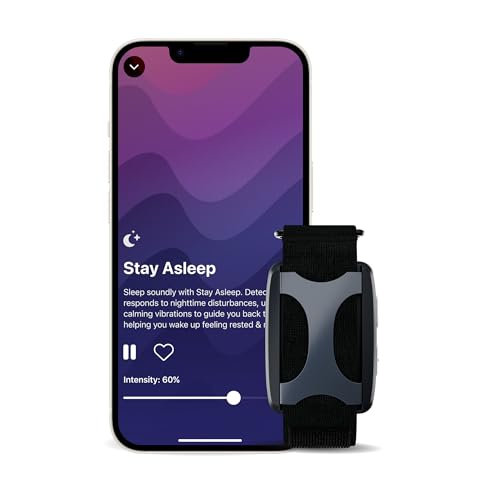
The Oura Ring and Whoop are the most accurate consumer options for sleep stages and HRV; a smartwatch (Apple Watch, Garmin) works too if you'd rather not wear a ring. Prioritize validated HRV and sleep-stage tracking over step counts, check whether it needs a subscription (Whoop does), and pick something comfortable enough to wear every night.

What Makes a Good Magnesium Supplement
Form matters more than dose: magnesium glycinate and citrate absorb well and are gentle on the stomach, while cheap magnesium oxide is poorly absorbed. A typical supplemental dose is 200–400 mg of elemental magnesium (check the label — it's usually lower than the pill weight). Take it in the evening if you're using it for sleep, and pick a third-party-tested brand.


Frequently Asked Questions
wolverine stack vs klow
Klow adds GHK-Cu and KPV to the BPC-157 and TB-500 peptides used in the Wolverine Stack. GHK-Cu supplies the skin and collagen emphasis, while KPV adds an anti-inflammatory angle studied particularly in animal models of gut inflammation. Klow does not have a standardized composition or clinical dosing schedule, so confirm all four ingredients before treating a product as a complete Klow formula.
wolverine stack vs glow vs klow
Wolverine combines BPC-157 and TB-500 for an injury-recovery emphasis, Glow adds GHK-Cu for skin and collagen goals, and Klow adds KPV to the Glow combination for a further anti-inflammatory and gut-research emphasis. The three are variations built on the same recovery core. Glow and Klow have no canonical composition or dosing standard, so the written ingredient list carries more information than the stack name.
wolverine stack vs deadpool stack
No standardized composition can be verified for a Deadpool Stack. The term appears in some community discussion, but it lacks the consistent ingredient definition available for Wolverine, Glow, and Klow. Do not infer its peptides or doses from the name. Ask a qualified provider to identify every ingredient and its regulatory status before considering an unverified stack found online.
Topic updates
Get the weekly peptide roundup
Peptide therapy, GLP-1s, growth hormone peptides, healing peptides, safety notes, and comparison guides.
Want skin health handled by a physician who works from your labs? See how Opt Health does it →
Check Where You Stand
Take our free health assessment to understand your metabolic, hormonal, and recovery risk factors — and get personalized recommendations.
Take the Free Assessment →Free · Takes 5 minutes · Instant results
Related Comparisons
-
The Wolverine Stack: BPC-157 + TB-500 Injury Recovery Protocol
The wolverine stack — BPC-157 and TB-500 combined: injury protocol, dosing, and what to expect.
-
CJC-1295 + Ipamorelin Stack: Dosing Protocol, Timing & Results
CJC-1295 + ipamorelin stack: why they're synergistic, full dosing protocol, and results timeline.
-
Ipamorelin + HGH Fragment 176-191 Stack: Fat Loss Protocol and Dosing
Ipamorelin + HGH frag 176-191 stack for fat loss — dosing protocol and cycle guide.
Affiliate disclosure: The Metabolic Journal is reader-supported. Some links above are affiliate or referral links and we may earn a commission at no extra cost to you. As an Amazon Associate we earn from qualifying purchases. Products are chosen on the merits; commissions never influence what we recommend. This is general information, not medical advice — talk to your clinician before acting.