Smart probiotics and GLP-1 release for on-demand glucose control
A Nature study reports an engineered probiotic that senses high glucose and secretes GLP-1 in diabetic mice and naturally diabetic monkeys.
Smart probiotics and GLP-1 release: what happened
Scientists from the Shanghai Academy of Natural Sciences (SANS) in China reported an oral “living drug” that can detect high glucose and respond by releasing GLP-1.
In the Nature paper, the engineered probiotic system is described as GIFT. The bacteria are designed to temporarily reside in the intestine and secrete GLP-1 when glucose rises above normal levels.
The goal is an autonomous system that turns treatment on during glucose spikes and turns it off after glucose returns to a healthy range.
Smart probiotics and GLP-1 release: how the glucose sensor works
The researchers engineered the probiotic Escherichia coli Nissle 1917 (EcN) with a molecular glucose sensor built from a gene circuit controlled by a sensor protein called HexR.
When glucose is absent, HexR binds a synthetic promoter (PHexR) and keeps the circuit off. When glucose enters the bacteria, it is converted into KDPG, which binds HexR and releases it from the promoter, switching on therapeutic genes.
The engineered bacteria then produce and release GLP-1, described in the report as a hormone that triggers insulin release to lower blood sugar.
Smart probiotics and GLP-1 release: what the evidence shows (and in whom)
The evidence reported in the source comes from animal experiments described in a peer-reviewed Nature study, including diabetic mice and naturally diabetic monkeys.
In mice, the report says a dose of the probiotic detected sugar spikes from high-sugar foods and prevented extreme blood sugar surges. It also states the probiotic shut off hormone production once blood sugar returned to a healthy range.
In naturally diabetic monkeys, the report says probiotics given every three days for five weeks restored healthy blood sugar balance, significantly reduced insulin resistance, and improved cholesterol profiles. The report also notes that after 30 days of daily treatment in diabetic mice, the probiotic group showed reduced fat mass and weight gain.
- Study type reported: peer-reviewed animal research (mice and monkeys).
- Intervention form: an orally administered engineered probiotic (“living drug”).
- Response described: GLP-1 secretion when glucose is high, then automatic shutoff when glucose normalizes.
Smart probiotics and GLP-1 release: practical context for metabolic health
The report frames the approach as a way to reduce the burden of timing-related diabetes management by having the therapy respond to glucose rises without manual adjustments.
It also places the work in the context of GLP-1 receptor agonists that mimic natural GLP-1 to help regulate blood sugar by boosting insulin release while blocking glucagon. The report notes a challenge of injections that deliver a constant, high dose over time and links that to adverse reactions.
A practical design detail in the report is how the team tried to keep the bacteria active longer in the gut. They coated the bacteria with FDA-approved materials, tannic acid and poloxamer 188, and the report says this extended activity in mouse intestines from 8 hours to 36 hours.
- For readers tracking glucose: the concept is spike-triggered GLP-1 release instead of continuous delivery.
- For medication discussions: this is a different delivery model than injected GLP-1 receptor agonists described in the report.
- For gut-tolerance engineering: the coating strategy is intended to prolong bacterial activity time in the intestine.
Smart probiotics and GLP-1 release: limitations and caveats to keep in view
The findings described in the source are from mice and monkeys, so they do not establish safety, effectiveness, or dosing in humans.
The report describes temporary intestinal colonization and a glucose-triggered genetic switch, but it does not provide human trial outcomes or real-world clinical implementation details.
The system relies on engineered bacteria and a coating approach to prolong activity, which raises practical questions the report does not answer, such as how performance varies across different diets, gut environments, and long-term use scenarios.
How to test metabolic markers at home
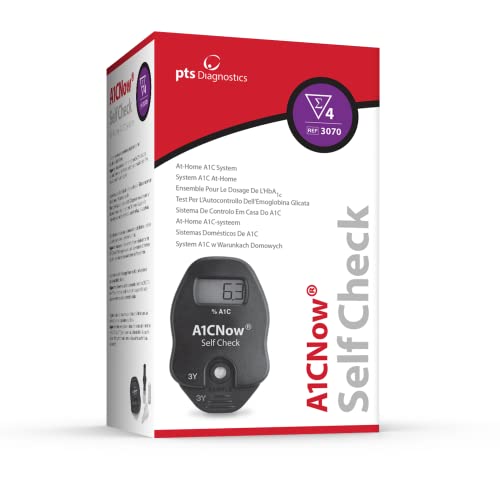
You don't need a lab appointment to check your own metabolic markers — a few at-home kits mail you a collection kit and return physician-reviewed results online within days:
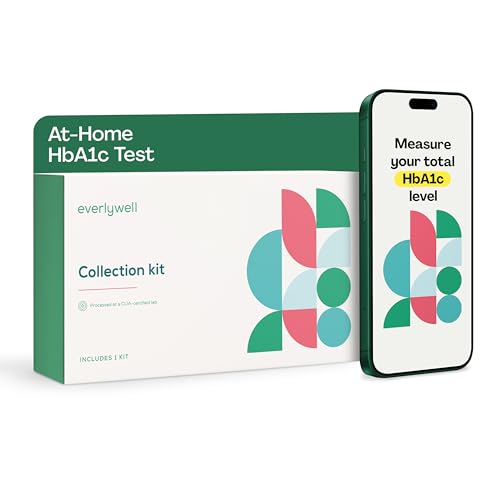
Prefer to order direct? The Everlywell HbA1c Test uses a CLIA-certified lab, physician-reviewed results, and prepaid return shipping.
What to Look For in a Continuous Glucose Monitor (CGM)
Over-the-counter CGMs like Dexcom Stelo and Abbott Lingo now sell without a prescription. Check the wear time (14–15 days per sensor), whether it reads to your phone or needs a separate device, and the monthly cost. For seeing how your own body responds to meals, a month or two is usually enough — you don't need to wear one forever.


What Makes a Good Fiber Supplement
For blood-sugar and cholesterol support you want SOLUBLE fiber — psyllium husk is the best studied. Start with one teaspoon and build up with plenty of water to avoid bloating, and take it 10–15 minutes before carb-heavy meals. Choose an unsweetened, additive-free powder or capsule.


Related Articles
Continuous Glucose Monitoring Links Glucose Spikes to Heart Risks
Framingham Heart Study data show adults without diabetes who spend more time above 140 mg/dL...
Read article MetabolismGut Microbe Molecule Vaccenic Acid Activates Liver Receptor LRH-1
Researchers identified vaccenic acid as a bacterial ligand for receptor LRH-1, showing reduced...
Read article MetabolismDiabetes Distress Assessment Guidelines Released by EASD
The EASD published evidence-based diabetes distress assessment guidelines in Diabetologia,...
Read article MetabolismWhole Grain Intake of 60 to 100 Grams Daily Improves Heart Markers
A review of 87 clinical trials in the European Heart Journal found consuming 60 to 100 grams of...
Read articlePartner · Opt Health
Want medical weight loss instead of another diet?
Opt Health prescribes and monitors GLP-1 therapy against real labs — insulin, A1C, lipids, thyroid, hormones — so the plan fits your physiology rather than a generic protocol. Medication ships to your door.
See Opt Health's weight-loss program →Topic updates
Get the weekly metabolic health roundup
Insulin resistance, blood sugar, visceral fat, GLP-1 plateaus, metabolic syndrome, and weight-loss physiology.
Understand Your Health Better
Our free assessment maps your symptoms to the most relevant guides, tools, and product recommendations.
Take the Free Assessment →Free · Takes 5 minutes · Instant results
Affiliate disclosure: The Metabolic Journal is reader-supported. Some links above are affiliate or referral links and we may earn a commission at no extra cost to you. Products are chosen on the merits; commissions never influence what we recommend. This is general information, not medical advice — talk to your clinician before acting.