Smart Floss Prototype Measures Blood Sugar and Gum Inflammation
Engineers developed a dental device that samples gumline fluid to track metabolic markers in three minutes.
A Device That Samples Gumline Fluid During Flossing
Researchers at The Hong Kong University of Science and Technology (HKUST) have developed a gingival fluid device (GFD) that measures metabolic markers directly from the gumline. The disposable tool, termed Smart Floss, incorporates a microfluidic channel and an internal sensor array to capture fluid during normal dental hygiene. The study, conducted with the Faculty of Dentistry at The University of Hong Kong (HKU), appeared in the journal Science Advances.
Why Gingival Crevicular Fluid Reflects Metabolic Health
Gingival crevicular fluid (GCF) provides a direct biochemical window into systemic circulation. This serum-derived biofluid seeps from tiny capillary blood vessels into the crevice between the tooth and the gumline tissue. Because this liquid originates directly from the bloodstream, it carries circulating molecules from whole-body metabolism alongside localized markers of oral tissue inflammation.
Clinical research indicates that systemic metabolic dysregulation and oral conditions influence each other. Inflamed gum tissue releases inflammatory molecules into the general circulation that can aggravate insulin resistance. In turn, elevated blood glucose levels accelerate tissue breakdown in the mouth, leaving individuals with diabetes three times more prone to severe periodontal disease.
How the Microfluidic Floss Collects and Analyzes Samples
The collection tool uses a dual-fiber floss strand coated with food-grade pectin to capture viscous oral fluids. When a person flosses for roughly 20 seconds, the gentle mechanical movement mobilizes the fluid around the tooth surface. Surface tension then holds a microscopic droplet between the two strands, forming a stable liquid bridge that prevents sample evaporation during removal.
A mechanical pulley inside the handle reels the exposed thread into a sealed testing chamber to prevent contamination. Inside the chamber, an integrated sensor array measures glucose, gout risk indicators, and active gum inflammation markers within three minutes. A built-in volume counter and microprocessor calculate chemical concentrations based on droplet volume before transmitting the data wirelessly to a smartphone.
Current Development Stage and Practical Limitations
Traditional collection of gingival crevicular fluid (GCF) requires a trained clinician to place fragile paper strips under the gumline and send pooled samples to an outside laboratory. While the prototype demonstrates that microfluidic collection inside a consumer handle is technically viable, the device remains an investigational prototype. It has not received regulatory clearance for medical diagnosis or home management.
The research report describes laboratory testing of the mechanism and onboard sensors. Broader clinical validation across diverse patient populations will be required to confirm accuracy against standard venous blood draws and clinical periodontal examinations. Individuals seeking to monitor metabolic markers or gum disease should consult their clinician or dentist for standard diagnostic testing.
How to test metabolic markers at home
You don't need a lab appointment to check your own metabolic markers — a few at-home kits mail you a collection kit and return physician-reviewed results online within days:
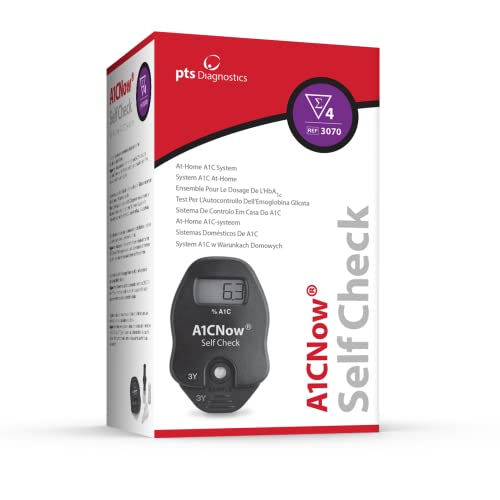
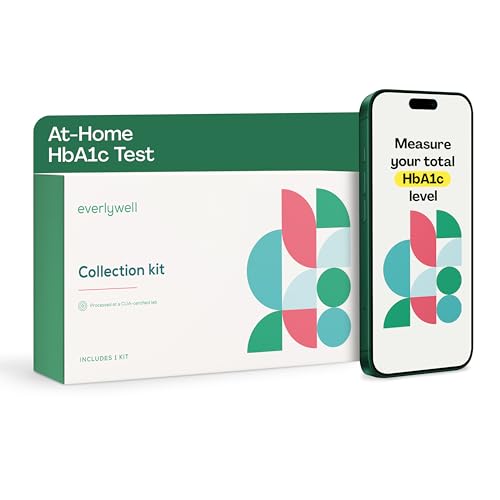
Prefer to order direct? The Everlywell HbA1c Test uses a CLIA-certified lab, physician-reviewed results, and prepaid return shipping.
What to Look For in a Continuous Glucose Monitor (CGM)
Over-the-counter CGMs like Dexcom Stelo and Abbott Lingo now sell without a prescription. Check the wear time (14–15 days per sensor), whether it reads to your phone or needs a separate device, and the monthly cost. For seeing how your own body responds to meals, a month or two is usually enough — you don't need to wear one forever.


What Makes a Good Fiber Supplement
For blood-sugar and cholesterol support you want SOLUBLE fiber — psyllium husk is the best studied. Start with one teaspoon and build up with plenty of water to avoid bloating, and take it 10–15 minutes before carb-heavy meals. Choose an unsweetened, additive-free powder or capsule.


Related Articles
Night-Shift Work Linked to Differences in Heart Structure and Blood Markers
An observational study of 42,671 adults links frequent night-shift work to thicker heart walls,...
Read article TestingBlood Test for P-Tau217 Estimates Ten-Year Cognitive Impairment Risk
A Mayo Clinic study in JAMA Neurology shows blood p-tau217 combined with age and genetics can...
Read article TestingBiomarker for GHB Detection Extends Forensic Testing Window
A University of Zurich study in Drug Testing and Analysis shows the biomarker GHB-pentose...
Read article TestingBrain Scans Identify Two Regions That Shrink before the Hippocampus
Johns Hopkins researchers identified two brain regions that shrink before the hippocampus in...
Read articleWant a clinician to work up your metabolic numbers?
Opt Health runs fasting insulin, A1C, a full lipid panel and 50+ other markers, then builds a treatment plan — GLP-1s included where they're appropriate — with a physician who reviews the data with you directly.
See Opt Health's metabolic program →Topic updates
Get the weekly lab marker roundup
Blood test interpretation, optimal ranges, fasting insulin, A1C, thyroid panels, testosterone, cortisol, and nutrient markers.
Understand Your Health Better
Our free assessment maps your symptoms to the most relevant guides, tools, and product recommendations.
Take the Free Assessment →Free · Takes 5 minutes · Instant results
Affiliate disclosure: The Metabolic Journal is reader-supported. Some links above are affiliate or referral links and we may earn a commission at no extra cost to you. Products are chosen on the merits; commissions never influence what we recommend. This is general information, not medical advice — talk to your clinician before acting.