Review Links PMOS and PCOS to Alzheimer's Disease and Dementia Risk
A systematic review finds metabolic comorbidities like insulin resistance may explain the higher risk of cognitive decline.
Evidence Links PMOS to Cognitive Changes and Dementia Risk
Women with polyendocrine metabolic ovarian syndrome (PMOS), formerly called polycystic ovary syndrome (PCOS), face a higher risk of developing Alzheimer's disease and dementia. A systematic review published in the Journal of the Endocrine Society examined PubMed records from inception through October 2025 to evaluate cognitive outcomes in patients with the condition.
PMOS affects 10% to 15% of women worldwide and can produce lifelong health complications. The syndrome is already associated with type 2 diabetes, cardiovascular disease, stroke, depression, anxiety, infertility, and endometrial cancer. The condition can also affect males, though clinical presentations differ by sex.
Metabolic Comorbidities Drive the Observed Association
Shared metabolic dysfunction appears to explain the statistical connection between PMOS and neurodegenerative disease. Co-author Ricardo Azziz of the University of Alabama at Birmingham stated that the association is likely mediated by metabolic comorbidities, specifically insulin resistance and obesity, rather than an independent direct effect of PMOS itself.
Insulin resistance disrupts normal glucose metabolism throughout peripheral tissues and the central nervous system. When chronic hyperinsulinemia and excess adiposity persist, both vascular health and cerebral metabolic pathways sustain measurable damage. Addressing these underlying metabolic drivers remains central to clinical management.
Measurable Changes in Memory and Brain Structure
Patients diagnosed with PMOS demonstrate subtle but documented shifts in cognitive performance well before midlife. Clinical evaluations show mild but reproducible deficits in executive function and memory recall.
Imaging studies cited in the review also identify structural and functional alterations in the brain. Researchers deduced that these neurological changes parallel biological pathways implicated in Alzheimer's disease progression, reinforcing the need for early metabolic intervention.
Gaps in Knowledge and Areas for Future Research
The published review synthesizes existing observational data but cannot confirm a direct causal link between PMOS and dementia. The authors noted that significant research gaps remain regarding how ovarian hormone fluctuations interact with systemic insulin resistance over decades.
Future clinical trials are required to determine whether treating insulin resistance early in reproductive-aged women lowers later dementia incidence. Individuals managing PMOS should discuss their long-term metabolic markers, including fasting insulin, blood glucose, and body mass index, with their healthcare team.
How to test metabolic markers at home
You don't need a lab appointment to check your own metabolic markers — a few at-home kits mail you a collection kit and return physician-reviewed results online within days:
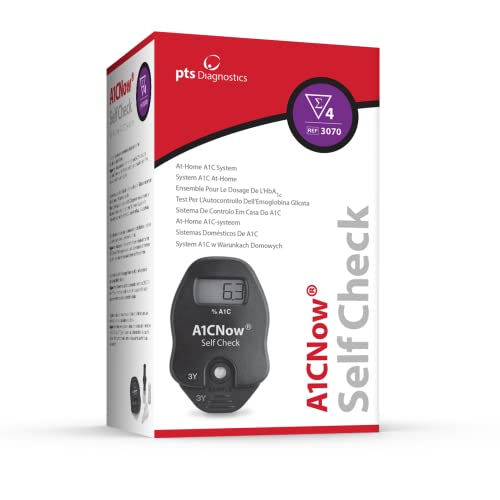
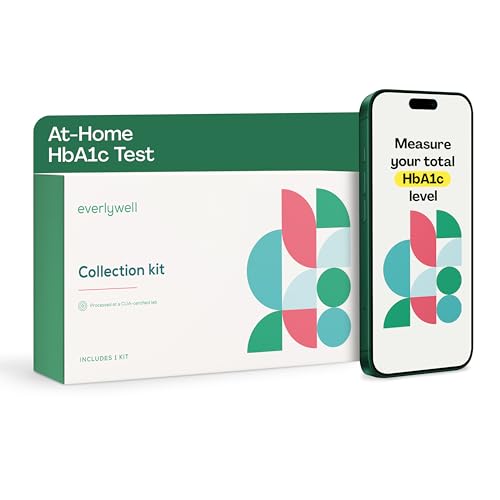
Prefer to order direct? The Everlywell HbA1c Test uses a CLIA-certified lab, physician-reviewed results, and prepaid return shipping.
What to Look For in a Continuous Glucose Monitor (CGM)
Over-the-counter CGMs like Dexcom Stelo and Abbott Lingo now sell without a prescription. Check the wear time (14–15 days per sensor), whether it reads to your phone or needs a separate device, and the monthly cost. For seeing how your own body responds to meals, a month or two is usually enough — you don't need to wear one forever.


What Makes a Good Fiber Supplement
For blood-sugar and cholesterol support you want SOLUBLE fiber — psyllium husk is the best studied. Start with one teaspoon and build up with plenty of water to avoid bloating, and take it 10–15 minutes before carb-heavy meals. Choose an unsweetened, additive-free powder or capsule.


Related Articles
Frequent Exercise Linked to Lower Perimenopause Symptom Burden
A study of over 1,800 women across 87 countries links frequent weekly physical activity to lower...
Read article HormonesPremature Menopause Linked to Higher Insulin and Heart Disease Risk
A study of over 4,700 women links premature menopause before age 40 to 9.3% higher insulin...
Read article HormonesAutoimmune Risk Differs by Menopausal Hormone Formulation
A large observational study found systemic estrogen-only therapy carries a slightly higher...
Read article HormonesCombined Estrogen and Testosterone Therapy for Bone Health
A 2026 study presented at The Menopause Society found adding testosterone to estrogen therapy...
Read articleWant a clinician who takes perimenopause seriously?
Opt Health's women's program runs full hormone and thyroid panels and treats the symptoms most primary-care visits wave off — sleep, mood, energy, cycle changes, libido — with physicians trained in hormone medicine.
See Opt Health's women's program →Topic updates
Get the weekly hormone optimization roundup
Testosterone, thyroid, cortisol, estrogen, menopause, perimenopause, libido, and hormone testing.
Understand Your Health Better
Our free assessment maps your symptoms to the most relevant guides, tools, and product recommendations.
Take the Free Assessment →Free · Takes 5 minutes · Instant results
Affiliate disclosure: The Metabolic Journal is reader-supported. Some links above are affiliate or referral links and we may earn a commission at no extra cost to you. Products are chosen on the merits; commissions never influence what we recommend. This is general information, not medical advice — talk to your clinician before acting.