Olive Oil Before Carbohydrates Blunts Early Glucose Rise in Mice
Researchers at Kyoto University show that preloading dietary fat coordinates gut hormones and vagal nerves to slow stomach emptying.
Kyoto University Study Evaluates Nutrient Timing in Mice
Consuming olive oil 15 minutes before carbohydrates reduced the early rise in postmeal blood sugar in mice compared to consuming fat after carbohydrates. The preclinical study, conducted by researchers at Kyoto University and published in the journal Diabetes, evaluated how nutrient order changes gastric emptying and metabolic hormone release.
Investigators fasted mice overnight and split them into three feeding groups. One cohort received water followed by glucose, another received olive oil 15 minutes prior to glucose, and the third received glucose followed by olive oil 15 minutes later. The team measured blood glucose, plasma insulin, glucagon, glucose-dependent insulinotropic polypeptide (GIP), and glucagon-like peptide-1 (GLP-1).
Hormone Secretion and Slower Digestion Mediate the Response
Administering olive oil before glucose delayed gastric emptying and blunted early blood glucose spikes in the tested animals. To track digestion speed, researchers gave the animals acetaminophen and tracked blood concentrations over time.
Consuming fat first stimulated the early release of glucagon, GIP, and GLP-1. These effects persisted in mouse models of type 2 diabetes and severe insulin deficiency, showing that the mechanism does not depend entirely on baseline insulin production.
Dual Hormone Action and Vagus Nerve Signaling Drive the Effect
Inhibiting both glucagon and GLP-1 signaling removed the glucose-blunting effect of the fat preload, whereas blocking either hormone alone did not. This finding indicates that glucagon and GLP-1 operate in a partially redundant manner to delay digestion.
Glucagon is conventional known for increasing blood glucose, but in this experimental model, glucagon signaling helped moderate the early glucose peak. The authors also performed bilateral subdiaphragmatic vagus nerve ligation, which confirmed that neural signaling pathways work alongside gut hormones to coordinate gastric retention.
Tests using other dietary fats produced comparable responses, confirming the reaction is a general physiological response to dietary lipids rather than an isolated trait of olive oil.
Human Context and Research Limitations
These experiments took place in mice and do not provide direct clinical guidelines or dosing protocols for humans. Rodent digestive rates and metabolic dynamics differ from human physiology, so clinical trials in people must verify these findings.
Existing human dietary studies show that eating protein, fat, or vegetables before carbohydrates can moderate postmeal blood glucose excursions. Daisuke Yabe, the study's corresponding author, stated that the findings provide a physiological framework for testing structured meal-sequencing approaches in people with and without diabetes.
Anyone considering dietary modifications to manage diabetes or insulin resistance should consult a clinician or registered dietitian before altering nutrient timing or fat intake.
How to test metabolic markers at home
You don't need a lab appointment to check your own metabolic markers — a few at-home kits mail you a collection kit and return physician-reviewed results online within days:
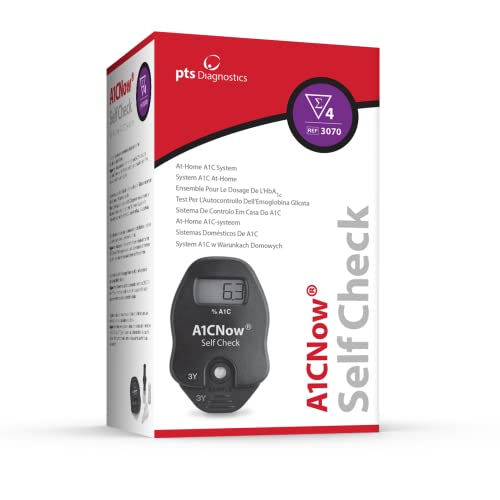
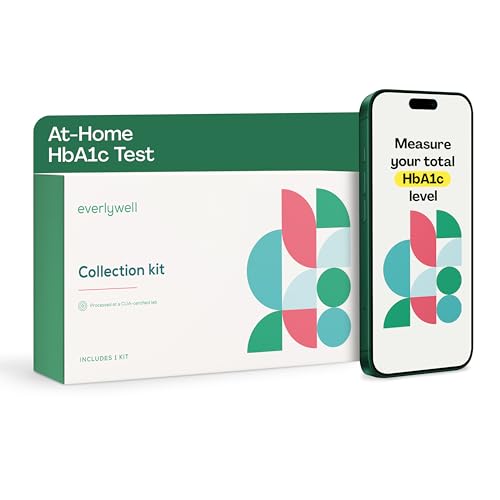
Prefer to order direct? The Everlywell HbA1c Test uses a CLIA-certified lab, physician-reviewed results, and prepaid return shipping.
What to Look For in a Continuous Glucose Monitor (CGM)
Over-the-counter CGMs like Dexcom Stelo and Abbott Lingo now sell without a prescription. Check the wear time (14–15 days per sensor), whether it reads to your phone or needs a separate device, and the monthly cost. For seeing how your own body responds to meals, a month or two is usually enough — you don't need to wear one forever.


What Makes a Good Fiber Supplement
For blood-sugar and cholesterol support you want SOLUBLE fiber — psyllium husk is the best studied. Start with one teaspoon and build up with plenty of water to avoid bloating, and take it 10–15 minutes before carb-heavy meals. Choose an unsweetened, additive-free powder or capsule.


Related Articles
Study Links 10 Healthy Dietary Patterns to Slower Biological Aging
Research in Nature Communications examining 7,500 people shows 10 healthy dietary patterns,...
Read article MetabolismStudy Links GLP-1 Drugs to Lower Macular Degeneration Risk
Adjusting for cardiometabolic health reveals glucagon-like peptide-1 receptor agonists are tied...
Read article MetabolismBlocking Cellular Stress Pathway May Preserve Insulin-Producing Cells
Weill Cornell researchers identified a cellular stress pathway that kills pancreatic beta cells....
Read article MetabolismGLP-1 Receptor Agonist Exposure Linked to Earlier Sequential NAION
A large study found patients using GLP-1 receptor agonists experienced sequential nonarteritic...
Read articleWant a clinician to work up your metabolic numbers?
Opt Health runs fasting insulin, A1C, a full lipid panel and 50+ other markers, then builds a treatment plan — GLP-1s included where they're appropriate — with a physician who reviews the data with you directly.
See Opt Health's metabolic program →Topic updates
Get the weekly metabolic health roundup
Insulin resistance, blood sugar, visceral fat, GLP-1 plateaus, metabolic syndrome, and weight-loss physiology.
Understand Your Health Better
Our free assessment maps your symptoms to the most relevant guides, tools, and product recommendations.
Take the Free Assessment →Free · Takes 5 minutes · Instant results
Affiliate disclosure: The Metabolic Journal is reader-supported. Some links above are affiliate or referral links and we may earn a commission at no extra cost to you. Products are chosen on the merits; commissions never influence what we recommend. This is general information, not medical advice — talk to your clinician before acting.