High Blood Pressure Pathway Accelerates Osteoarthritis Cartilage Loss
Elevated vasopressin and damaged joint receptors speed cartilage breakdown in laboratory models.
Hypertension Accelerates Osteoarthritis Through a Hormone Pathway
High blood pressure accelerates joint cartilage breakdown in osteoarthritis (OA) through an arginine vasopressin (AVP) hormone signaling pathway. Researchers published these findings in Science after combining South Korean population data with animal experiments and human surgical tissue analyses.
The study identified that elevated blood pressure raises circulatory levels of the brain hormone AVP. When joint cartilage sustains prior wear or injury, it begins expressing a specific receptor that binds AVP and initiates tissue degradation.
Human Population Data Connects Blood Pressure to Severe Knee Damage
Analysis of national health survey records reveals a clear association between elevated blood pressure and knee osteoarthritis severity. Investigators reviewed records from 36,820 adults aged 45 and older in the Korea National Health and Nutrition Examination Survey.
The research team calculated adjusted odds ratios for both physician-diagnosed osteoarthritis and X-ray-confirmed structural knee damage. The correlation between high blood pressure and joint damage grew stronger in individuals with more advanced cartilage loss.
Analysis of human cartilage and joint fluid collected during total knee replacement surgeries confirmed the pattern. Damaged human joint tissues contained higher levels of the AVPR1A receptor and vasopressin biomarkers compared to healthy control tissues.
Vasopressin Receptors Trigger Cartilage Breakdown Enzymes in Injured Joints
Mechanical joint strain induces the receptor needed for circulating vasopressin to trigger cartilage destruction. Healthy joint cartilage displays minimal amounts of the arginine vasopressin receptor 1A (AVPR1A), preventing hormone binding under normal conditions.
Aging or physical trauma alters cartilage cells, causing them to produce AVPR1A receptors on their surfaces. When AVP enters the joint fluid from the bloodstream, it binds to AVPR1A and activates an intracellular gene regulator named NR4A3.
This signaling cascade alters cellular protein output. Joint cells accelerate production of enzymes that digest cartilage while suppressing production of structural repair proteins such as collagen and aggrecan.
Current Osteoarthritis Management Faces Structural Treatment Limits
Existing medical therapies manage joint symptoms without stopping the structural loss of cartilage. Osteoarthritis affected roughly 595 million people globally in 2020, representing a 132.2 percent case increase since 1990.
Age remains the dominant demographic variable in joint degeneration, with 73 percent of diagnosed individuals older than 55 years. Because hypertension occurs frequently in this age group, vascular contributions can influence long-term joint outcomes.
- Total global osteoarthritis cases rose by 132.2 percent between 1990 and 2020.
- People over age 55 account for 73 percent of all diagnosed osteoarthritis cases.
- Standard clinical protocols offer pain control but lack disease-halting pharmacological options.
Translational Limits Require Confirmation in Clinical Trials
The causal chain demonstrating joint destruction currently relies on laboratory mouse models and cross-sectional human records. Researchers confirmed the damaging pathway in genetically hypertensive mice and salt-induced hypertension models undergoing joint surgery.
These animal models prove the biochemical mechanism in controlled settings, but they do not prove that blood pressure drugs reverse osteoarthritis in humans. Clinical intervention trials are necessary before physicians can target the AVP-AVPR1A pathway to preserve human joints.
Individuals managing both high blood pressure and joint stiffness can speak with a physician about maintaining standard blood pressure targets while tracking joint health.
What to Look For in a Blood Pressure Monitor
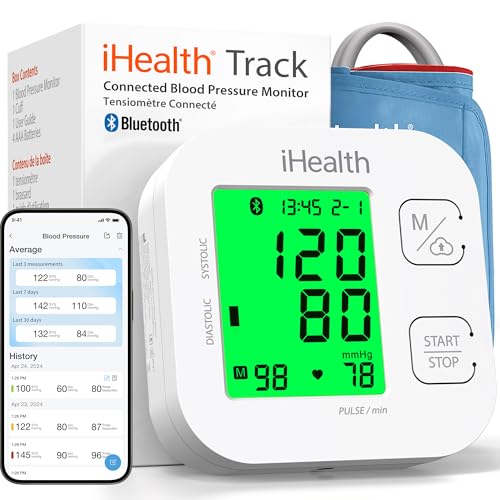
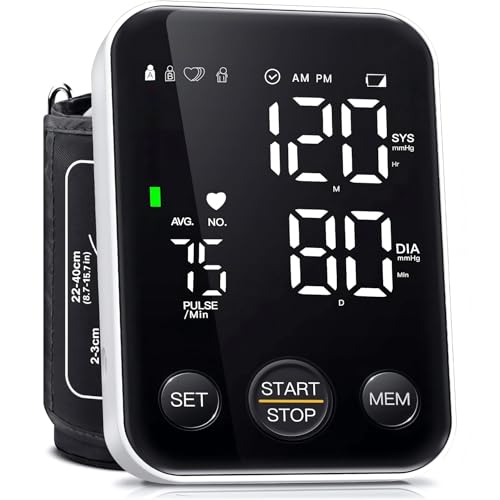
An upper-arm cuff is more accurate than a wrist model. Pick a clinically validated device with a cuff sized to your arm, and take readings seated after five minutes of rest. Models that store readings or sync to an app make it easy to share trends with your doctor.
Related Articles
Study Links 10 Healthy Dietary Patterns to Slower Biological Aging
Research in Nature Communications examining 7,500 people shows 10 healthy dietary patterns,...
Read article MetabolismStudy Links GLP-1 Drugs to Lower Macular Degeneration Risk
Adjusting for cardiometabolic health reveals glucagon-like peptide-1 receptor agonists are tied...
Read article MetabolismBlocking Cellular Stress Pathway May Preserve Insulin-Producing Cells
Weill Cornell researchers identified a cellular stress pathway that kills pancreatic beta cells....
Read article MetabolismGLP-1 Receptor Agonist Exposure Linked to Earlier Sequential NAION
A large study found patients using GLP-1 receptor agonists experienced sequential nonarteritic...
Read articleWant a clinician to work up your metabolic numbers?
Opt Health runs fasting insulin, A1C, a full lipid panel and 50+ other markers, then builds a treatment plan — GLP-1s included where they're appropriate — with a physician who reviews the data with you directly.
See Opt Health's metabolic program →Topic updates
Get the weekly metabolic health roundup
Insulin resistance, blood sugar, visceral fat, GLP-1 plateaus, metabolic syndrome, and weight-loss physiology.
Understand Your Health Better
Our free assessment maps your symptoms to the most relevant guides, tools, and product recommendations.
Take the Free Assessment →Free · Takes 5 minutes · Instant results
Affiliate disclosure: The Metabolic Journal is reader-supported. Some links above are affiliate or referral links and we may earn a commission at no extra cost to you. Products are chosen on the merits; commissions never influence what we recommend. This is general information, not medical advice — talk to your clinician before acting.