Health Behavior Change in PCOS Follows a Nonlinear Path
A qualitative study identifies three stages of lifestyle change and shows disengagement is a dynamic state rather than a lack of willpower.
Qualitative Study Maps Three Stages of Behavior Change
Lifestyle adjustments in polycystic ovary syndrome (PCOS) follow an irregular path shaped by competing barriers and supports. A qualitative study published in the Journal of Nutrition Education and Behavior examined how patients establish nutrition and exercise habits. Researchers interviewed 20 women diagnosed with PCOS, along with 13 physicians and four nurses across hospital settings in Hunan province, China.
Using grounded theory analysis, the investigators developed a clinical framework outlining three sequential phases: intention, adoption, and maintenance. The data revealed that behavioral disengagement is a fluid state capable of happening at any point along this continuum. Shujuan Zhu, Master of Science (MSc), Registered Nurse (RN), and corresponding author from the Third Xiangya Hospital of Central South University, noted that pauses in habit adoption occur when restraining forces overtake existing supports.
Factors That Drive Movement from Intention to Maintenance
Specific health concerns initiate the desire to alter daily routines, but distinct personal skills determine whether an individual takes action. The initial intention phase emerged primarily from physical and emotional needs. Participants reported that symptom burden, fertility concerns, shifts in self-esteem, and expanding medical knowledge sparked their initial motivation.
Transitioning from intention into the adoption phase required actionable capabilities. Progress depended directly on individual self-efficacy, health information literacy, practical access to resources, and consistent social support. Few participants reached the sustained maintenance phase. Those who maintained habits relied on active goal setting, daily self-regulation, an integrated sense of identity, and regular positive feedback.
Disengagement Reflects Practical Constraints Rather Than Failed Willpower
Behavioral setbacks in polycystic ovary syndrome (PCOS) stem from structural and medical friction rather than personal weakness. Most study participants encountered periods of disengagement while attempting to maintain lifestyle modifications. The investigators found that disease-related obstacles, personal restrictions, and environmental demands frequently accumulated over time.
The cumulative time commitment, financial expense, and procedural complexity of healthy habits frequently overwhelmed existing motivation. When daily friction outweighed functional support, patients temporarily stepped away from their routines. Viewing these interruptions as dynamic responses allows clinicians to identify which specific obstacles interrupted patient momentum.
- Disease-related physical symptoms that impede daily movement
- Environmental demands and time limitations that conflict with meal planning
- Financial expenses and logistical complexity tied to sustained interventions
Study Limitations and Clinical Implications for Care Providers
Small sample sizes and geographic concentration limit the immediate generalization of these behavioral findings. The study gathered qualitative evidence from 20 patients and 17 healthcare workers situated exclusively within one Chinese province. Cultural differences in family structure, food availability, and medical delivery could alter how these stages manifest in other populations.
Future research must evaluate this behavioral framework across varied demographic groups and diverse healthcare systems. The study authors recommend that clinicians assess a patient's current behavioral stage before prescribing routine lifestyle modifications. Patients managing polycystic ovary syndrome (PCOS) can review these specific friction points with a clinician to adjust daily routines before disengagement occurs.
How to test metabolic markers at home
You don't need a lab appointment to check your own metabolic markers — a few at-home kits mail you a collection kit and return physician-reviewed results online within days:
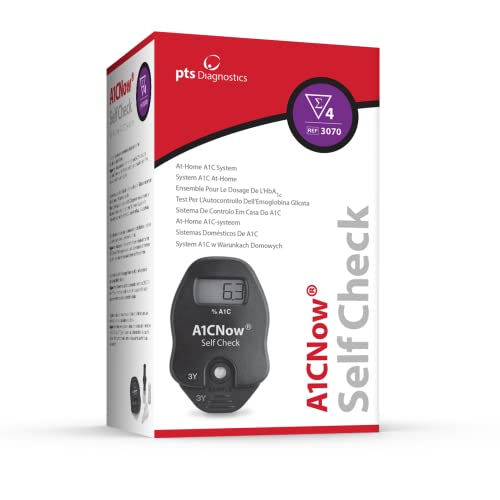
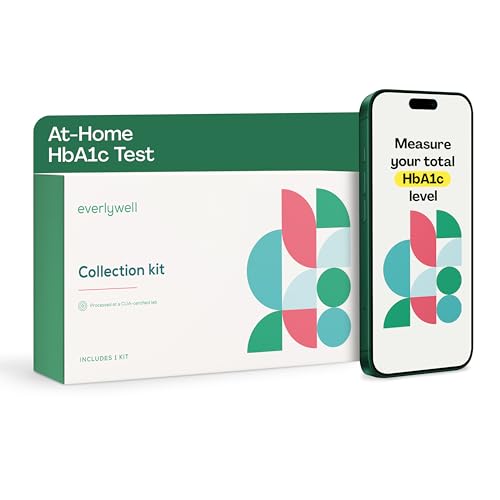
Prefer to order direct? The Everlywell HbA1c Test uses a CLIA-certified lab, physician-reviewed results, and prepaid return shipping.
What to Look For in a Continuous Glucose Monitor (CGM)
Over-the-counter CGMs like Dexcom Stelo and Abbott Lingo now sell without a prescription. Check the wear time (14–15 days per sensor), whether it reads to your phone or needs a separate device, and the monthly cost. For seeing how your own body responds to meals, a month or two is usually enough — you don't need to wear one forever.


What Makes a Good Fiber Supplement
For blood-sugar and cholesterol support you want SOLUBLE fiber — psyllium husk is the best studied. Start with one teaspoon and build up with plenty of water to avoid bloating, and take it 10–15 minutes before carb-heavy meals. Choose an unsweetened, additive-free powder or capsule.


Related Articles
Frequent Exercise Linked to Lower Perimenopause Symptom Burden
A study of over 1,800 women across 87 countries links frequent weekly physical activity to lower...
Read article HormonesPremature Menopause Linked to Higher Insulin and Heart Disease Risk
A study of over 4,700 women links premature menopause before age 40 to 9.3% higher insulin...
Read article HormonesAutoimmune Risk Differs by Menopausal Hormone Formulation
A large observational study found systemic estrogen-only therapy carries a slightly higher...
Read article HormonesCombined Estrogen and Testosterone Therapy for Bone Health
A 2026 study presented at The Menopause Society found adding testosterone to estrogen therapy...
Read articleWant a clinician who takes perimenopause seriously?
Opt Health's women's program runs full hormone and thyroid panels and treats the symptoms most primary-care visits wave off — sleep, mood, energy, cycle changes, libido — with physicians trained in hormone medicine.
See Opt Health's women's program →Topic updates
Get the weekly hormone optimization roundup
Testosterone, thyroid, cortisol, estrogen, menopause, perimenopause, libido, and hormone testing.
Understand Your Health Better
Our free assessment maps your symptoms to the most relevant guides, tools, and product recommendations.
Take the Free Assessment →Free · Takes 5 minutes · Instant results
Affiliate disclosure: The Metabolic Journal is reader-supported. Some links above are affiliate or referral links and we may earn a commission at no extra cost to you. Products are chosen on the merits; commissions never influence what we recommend. This is general information, not medical advice — talk to your clinician before acting.