FDA Authorizes First Wearable to Track Both Ketones and Blood Sugar
The Libre Duo 10 Day sensor is the first FDA-authorized device to continuously monitor both ketones and glucose for people with diabetes.
FDA Authorizes Dual-Tracking Wearable for Diabetes
The U.S. Food and Drug Administration (FDA) has authorized the Libre Duo 10 Day, the first wearable sensor that continuously tracks both ketones and blood sugar for people with diabetes.
This device, made by Abbott, is the first anywhere to monitor both markers at the same time, according to the FDA. The sensor is worn on the skin and sends real-time readings to a smartphone app.
What the Studies Show: Device Accuracy and Impact
Six studies involving over 600 people with diabetes supported the FDA's decision. The studies found that the Libre Duo 10 Day accurately tracked changes in ketone levels throughout the 10-day wear period.
The device was able to flag elevated ketones before diabetic ketoacidosis (DKA) developed, according to the FDA. These findings suggest the sensor may help users and clinicians detect dangerous trends earlier than traditional testing.
Why Ketone Monitoring Matters in Diabetes Management
Ketones are chemicals produced when the body burns fat instead of sugar for fuel. High ketone levels can lead to diabetic ketoacidosis, a life-threatening complication that can worsen within hours.
Until now, people with diabetes had to check ketones separately using blood or urine tests, which only provide a single snapshot in time. The new wearable offers continuous monitoring and alerts users when ketones reach concerning levels.
Who Can Use the Libre Duo 10 Day Sensor?
The FDA has authorized the device for anyone with diabetes aged 2 and older. Abbott says it is especially aimed at people at higher risk for elevated ketones, such as those taking insulin or glucose-lowering medications.
About 40.1 million Americans have diabetes, according to the U.S. Centers for Disease Control and Prevention (CDC). The sensor is expected to be available in the United States later this year.
Limitations and Practical Considerations
The FDA cautions that ketone readings from the device should always be interpreted alongside glucose levels and a person’s symptoms. The sensor is not a substitute for clinical judgment.
Traditional blood or urine ketone tests remain important in some situations, and early symptoms of diabetic ketoacidosis can still be mistaken for other illnesses. Users should consult their clinicians about how to respond to alerts from the device.
How to test metabolic markers at home
You don't need a lab appointment to check your own metabolic markers — a few at-home kits mail you a collection kit and return physician-reviewed results online within days:
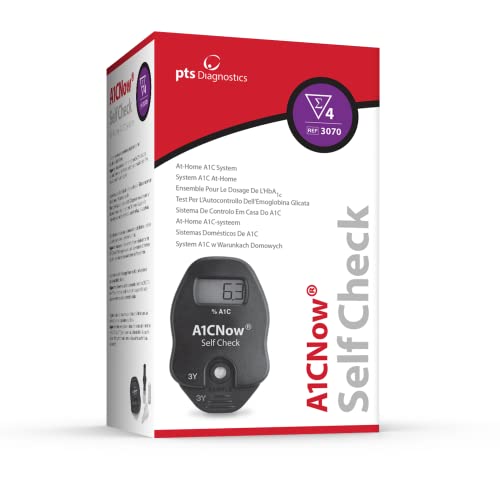
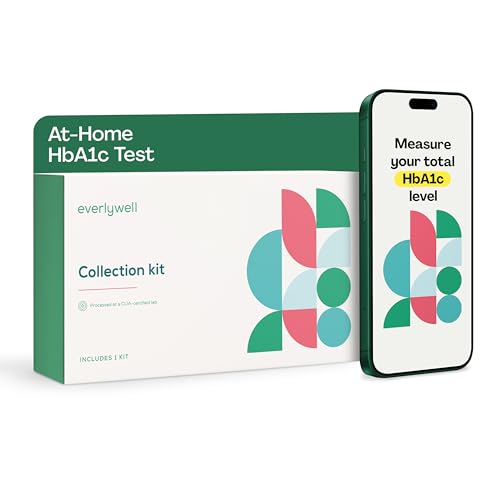
Prefer to order direct? The Everlywell HbA1c Test uses a CLIA-certified lab, physician-reviewed results, and prepaid return shipping.
What to Look For in a Continuous Glucose Monitor (CGM)
Over-the-counter CGMs like Dexcom Stelo and Abbott Lingo now sell without a prescription. Check the wear time (14–15 days per sensor), whether it reads to your phone or needs a separate device, and the monthly cost. For seeing how your own body responds to meals, a month or two is usually enough — you don't need to wear one forever.


What Makes a Good Fiber Supplement
For blood-sugar and cholesterol support you want SOLUBLE fiber — psyllium husk is the best studied. Start with one teaspoon and build up with plenty of water to avoid bloating, and take it 10–15 minutes before carb-heavy meals. Choose an unsweetened, additive-free powder or capsule.


Related Articles
GVC-Calc Platform Standardizes Continuous Glucose Monitor Data
Researchers published GVC-Calc in Nature Metabolism to standardize continuous glucose monitoring...
Read article TestingInvestigational Blood Test Detects Early-Stage Pancreatic Cancer
City of Hope researchers developed PANXEON, an investigational blood test that detected...
Read article TestingUrine Test for Kidney Protection in Diabetes Directs Treatment Choices
A study in the British Medical Journal shows a urine test for kidney protection in diabetes...
Read article TestingDietary Shifts Lowered Biological Age Scores in Four-Week Trial
University of Sydney researchers found older adults reduced biological age scores in four weeks...
Read articlePartner · Opt Health
Want a clinician to work up your metabolic numbers?
Opt Health runs fasting insulin, A1C, a full lipid panel and 50+ other markers, then builds a treatment plan — GLP-1s included where they're appropriate — with a physician who reviews the data with you directly.
See Opt Health's metabolic program →Topic updates
Get the weekly lab marker roundup
Blood test interpretation, optimal ranges, fasting insulin, A1C, thyroid panels, testosterone, cortisol, and nutrient markers.
Understand Your Health Better
Our free assessment maps your symptoms to the most relevant guides, tools, and product recommendations.
Take the Free Assessment →Free · Takes 5 minutes · Instant results
Affiliate disclosure: The Metabolic Journal is reader-supported. Some links above are affiliate or referral links and we may earn a commission at no extra cost to you. Products are chosen on the merits; commissions never influence what we recommend. This is general information, not medical advice — talk to your clinician before acting.