Continuous Glucose Monitors Show Sex Is Safe in Type 1 Diabetes
A prospective observational study tracked 110 intimate events across 12 adults and observed no clinically significant hypoglycemia.
Objective Glucose Tracking During Sexual Activity
Sexual intercourse does not cause clinically significant hypoglycemia in adults with type 1 diabetes, according to observational continuous glucose monitoring (CGM) data presented at the European Association for the Study of Diabetes (EASD) meeting. Dr. Dominica Orłowska and colleagues at the Medical University of Warsaw evaluated real-time metabolic shifts during intimate activity.
The study tracked 12 adults with type 1 diabetes (T1D), consisting of seven women and five men with a median age of 36 years. Participants wore either a FreeStyle Libre 2 or Guardian 4 sensor over a three-month observation period.
The research team analyzed sensor readings from two hours before each sexual event until six hours afterward. Participants marked 110 total intimate encounters in their monitoring applications.
Divergent Glucose Trends Across 110 Tracked Events
Blood sugar levels can either rise or fall after sexual activity, with both directions occurring across different sessions in the same individual. In 64 events (58 percent), mean glucose decreased from 180 to 132 mg/dL, reflecting a statistically significant 27 percent reduction. In the remaining 46 events (42 percent), glucose increased from 122 to 164 mg/dL, representing a statistically significant 34 percent rise.
Starting glucose influenced the magnitude of the shift. Higher pre-activity blood sugar led to larger post-activity reductions when glucose was falling, while resulting in smaller rises during upward excursions.
Timing, Body Mass Index, and Pump Management
Nighttime sexual activity produced a measurable drop in blood glucose, whereas daytime encounters caused no meaningful change in sensor readings. Across 66 nighttime events between 8 p.m. and 6 a.m., mean glucose declined from 165 to 147 mg/dL. Across 44 daytime events between 6 a.m. and 8 p.m., mean glucose remained virtually unchanged, moving from 144 to 143 mg/dL.
Participants in the higher body mass index (BMI) group of 25 kg/m² or greater experienced an average decrease of 10.7 percent, falling from 150 to 134 mg/dL. Participants with a BMI under 25 kg/m² had an average reduction of 5.6 percent, moving from 159 to 150 mg/dL, which did not reach statistical significance.
- All six pump users chose to remove their devices during sexual intercourse.
- Changes in blood glucose were unrelated to insulin delivery mode or duration of diabetes.
- No significant differences appeared between readings taken at two hours and six hours following intercourse.
Study Limitations and Clinical Implications
The small sample size of 12 participants limits how broadly clinicians can apply these observational findings across larger populations with diabetes. Earlier inquiries into intimacy and diabetes relied solely on retrospective surveys, where roughly one-third of young adults reported fear of low blood sugar. This investigation provides the first continuous sensor data recorded during intercourse, yet individual glucose responses still varied between sessions.
Patients managing type 1 diabetes can talk to their clinician about personal activity trends and insulin pump suspension strategies during intimacy. Checking personal continuous glucose monitoring patterns after physical activity can help clarify individual night and day responses.
How to test metabolic markers at home
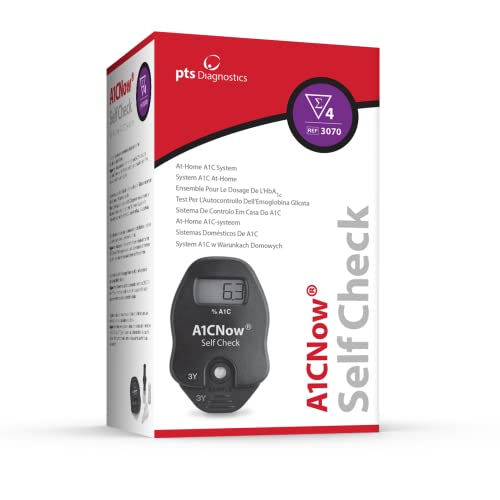
You don't need a lab appointment to check your own metabolic markers — a few at-home kits mail you a collection kit and return physician-reviewed results online within days:
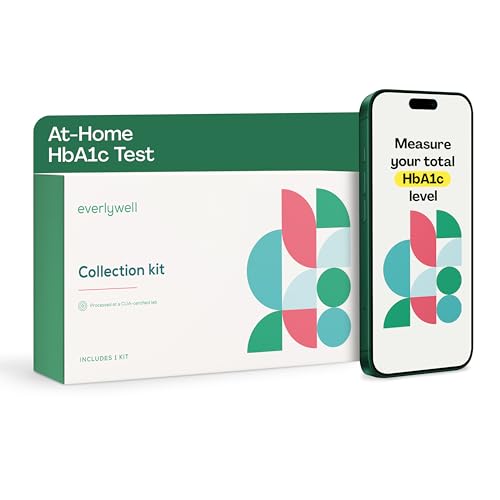
Prefer to order direct? The Everlywell HbA1c Test uses a CLIA-certified lab, physician-reviewed results, and prepaid return shipping.
What to Look For in a Continuous Glucose Monitor (CGM)
Over-the-counter CGMs like Dexcom Stelo and Abbott Lingo now sell without a prescription. Check the wear time (14–15 days per sensor), whether it reads to your phone or needs a separate device, and the monthly cost. For seeing how your own body responds to meals, a month or two is usually enough — you don't need to wear one forever.


What Makes a Good Fiber Supplement
For blood-sugar and cholesterol support you want SOLUBLE fiber — psyllium husk is the best studied. Start with one teaspoon and build up with plenty of water to avoid bloating, and take it 10–15 minutes before carb-heavy meals. Choose an unsweetened, additive-free powder or capsule.


Related Articles
Alzheimer's Blood Biomarker Tracks Brain Amyloid Across Racial Groups
A global study in JAMA Neurology reports that the %p-tau217 blood test reliably reflects brain...
Read article Testinghs-CRP Biomarker Tracks Early Cardiovascular-Kidney-Metabolic Stages
A study in the European Journal of Preventive Cardiology finds hs-CRP doubles in stage 1...
Read article TestingRoutine Hemoglobin Tests May Signal Long-Term Dementia Risk
A 15-year observational study of Korean adults found that low and unusually high hemoglobin...
Read article TestingSerum C7 Levels Predict Liver Complications in Fatty Liver Disease
A Shinshu University study finds serum complement C7 levels above 140 μg/mL indicate higher risk...
Read articleWant a clinician to work up your metabolic numbers?
Opt Health runs fasting insulin, A1C, a full lipid panel and 50+ other markers, then builds a treatment plan — GLP-1s included where they're appropriate — with a physician who reviews the data with you directly.
See Opt Health's metabolic program →Topic updates
Get the weekly lab marker roundup
Blood test interpretation, optimal ranges, fasting insulin, A1C, thyroid panels, testosterone, cortisol, and nutrient markers.
Understand Your Health Better
Our free assessment maps your symptoms to the most relevant guides, tools, and product recommendations.
Take the Free Assessment →Free · Takes 5 minutes · Instant results
Affiliate disclosure: The Metabolic Journal is reader-supported. Some links above are affiliate or referral links and we may earn a commission at no extra cost to you. Products are chosen on the merits; commissions never influence what we recommend. This is general information, not medical advice — talk to your clinician before acting.