Continuous glucose monitors: no proven benefit without diabetes
A 2026 JAMA Internal Medicine narrative review reports no evidence that CGMs improve health or prevent disease in people without diabetes.
What happened: new review questions CGM use for “health optimization”
A new narrative review in JAMA Internal Medicine says there is no scientific evidence that continuous glucose monitors (CGMs) improve health or prevent disease in people without diabetes.
The authors note CGMs were developed for type 1 diabetes and are widely used by many people with type 2 diabetes, but have recently become popular consumer products marketed for optimizing diet, exercise, and overall health.
Minna Johansson of the University of Gothenburg said the technology is valuable for certain patient groups, but is increasingly used where benefit is unknown and could potentially be harmful, and called for more transparency in marketing about the lack of evidence in people without diabetes.
What the evidence actually shows about continuous glucose monitors
The article is a narrative review prepared at the request of JAMA Internal Medicine that synthesizes available evidence and places CGM use in clinical context; it is accompanied by a peer-reviewed Patient Page summary.
For people with type 2 diabetes, the review reports no scientific evidence that continuous glucose monitoring prevents disease, but says the technology can make it easier to adjust treatment and reduce the need for repeated fingerstick tests—especially for those at high risk of low blood sugar (hypoglycemia).
The review also reports that, on average, CGM use is associated with a modest reduction in HbA1c, but it found no scientific evidence that continuous glucose monitoring improves health or prevents disease in people without diabetes.
- Study type: narrative review (evidence synthesis), not a new randomized trial
- Applies to: people with type 2 diabetes and people without diabetes, with separate conclusions for each group
- Core finding for non-diabetic users: no evidence of improved health or disease prevention
Why this matters for metabolic health readers using continuous glucose monitors
The review warns that normal fluctuations in blood glucose can be easily overinterpreted, which may lead to unnecessary and unhealthy dietary restrictions or anxiety.
It also argues that more data is not automatically better health, because CGMs generate enormous amounts of data that can be difficult to interpret, and healthy people are already seeking medical care to make sense of readings.
Johansson adds a health-system concern: if consumer use keeps rising, it could draw time and resources away from patients with greater health care needs.
- If you track glucose, the review suggests interpreting single spikes cautiously because normal variability can be misread
- If readings create worry or trigger restrictive eating, the authors flag that as a potential harm pathway
- If you bring CGM data to a clinician, expect that not all patterns have clear clinical meaning in people without diabetes
Limits and caveats: what this review can and cannot tell us
Because this is a narrative review, it summarizes the available evidence rather than providing new trial results, and its conclusions depend on what studies exist to date and how they are interpreted.
The authors’ central point is an evidence gap for people without diabetes: they report no scientific evidence of improved health or disease prevention from CGM use in this group, rather than showing that CGMs cannot ever help.
For people with type 2 diabetes, the review distinguishes between convenience and management benefits (such as fewer fingersticks and easier treatment adjustment for hypoglycemia risk) and the lack of evidence that CGMs prevent disease.
How to test metabolic markers at home
You don't need a lab appointment to check your own metabolic markers — a few at-home kits mail you a collection kit and return physician-reviewed results online within days:
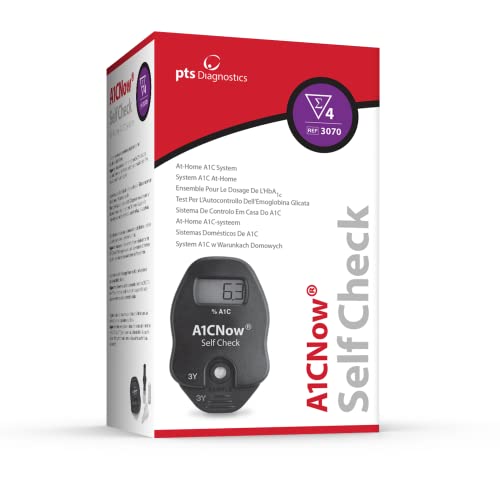
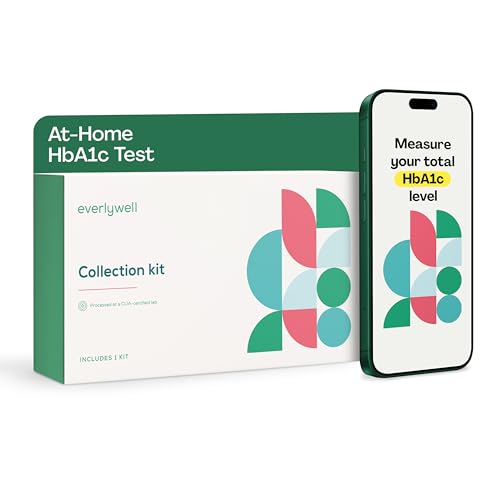
Prefer to order direct? The Everlywell HbA1c Test uses a CLIA-certified lab, physician-reviewed results, and prepaid return shipping.
What to Look For in a Continuous Glucose Monitor (CGM)
Over-the-counter CGMs like Dexcom Stelo and Abbott Lingo now sell without a prescription. Check the wear time (14–15 days per sensor), whether it reads to your phone or needs a separate device, and the monthly cost. For seeing how your own body responds to meals, a month or two is usually enough — you don't need to wear one forever.


What Makes a Good Fiber Supplement
For blood-sugar and cholesterol support you want SOLUBLE fiber — psyllium husk is the best studied. Start with one teaspoon and build up with plenty of water to avoid bloating, and take it 10–15 minutes before carb-heavy meals. Choose an unsweetened, additive-free powder or capsule.


Related Articles
GVC-Calc Platform Standardizes Continuous Glucose Monitor Data
Researchers published GVC-Calc in Nature Metabolism to standardize continuous glucose monitoring...
Read article TestingInvestigational Blood Test Detects Early-Stage Pancreatic Cancer
City of Hope researchers developed PANXEON, an investigational blood test that detected...
Read article TestingUrine Test for Kidney Protection in Diabetes Directs Treatment Choices
A study in the British Medical Journal shows a urine test for kidney protection in diabetes...
Read article TestingDietary Shifts Lowered Biological Age Scores in Four-Week Trial
University of Sydney researchers found older adults reduced biological age scores in four weeks...
Read articlePartner · Opt Health
Want a clinician to work up your metabolic numbers?
Opt Health runs fasting insulin, A1C, a full lipid panel and 50+ other markers, then builds a treatment plan — GLP-1s included where they're appropriate — with a physician who reviews the data with you directly.
See Opt Health's metabolic program →Topic updates
Get the weekly lab marker roundup
Blood test interpretation, optimal ranges, fasting insulin, A1C, thyroid panels, testosterone, cortisol, and nutrient markers.
Understand Your Health Better
Our free assessment maps your symptoms to the most relevant guides, tools, and product recommendations.
Take the Free Assessment →Free · Takes 5 minutes · Instant results
Affiliate disclosure: The Metabolic Journal is reader-supported. Some links above are affiliate or referral links and we may earn a commission at no extra cost to you. Products are chosen on the merits; commissions never influence what we recommend. This is general information, not medical advice — talk to your clinician before acting.