Continuous Glucose Monitoring in Type 1 Diabetes Marathon Study
A 20-runner observational trial found wearable glucose sensors overestimated capillary blood sugar during a 42-kilometer race.
Race Performance and Blood Sugar Stability
Amateur runners with type 1 diabetes (T1D) completed a 42-kilometer race at speeds comparable to peers without diabetes. The observational study tracked 20 participants during the 2025 Poznań Marathon. Ten runners had type 1 diabetes, and 10 served as controls.
The group with type 1 diabetes finished in a median time of 228 minutes. Control runners finished in 248 minutes. Researchers from Poznan University of Medical Sciences and Raszeja City Hospital presented the data at the European Association for the Study of Diabetes (EASD) Annual Meeting.
Sensor Divergence During Endurance Exercise
Continuous glucose monitors overestimated blood sugar levels during the race and showed reduced measurement accuracy. Investigators tested one intermittently scanned sensor and one real-time sensor against capillary fingerstick measurements from a glucometer. Checks took place at the start line, 10 kilometers, 19 kilometers, 30 kilometers, and the finish line.
Accuracy was evaluated using mean absolute relative difference (MARD). The intermittently scanned sensors diverged from capillary values by an average of 43 percent. Real-time monitors differed by 37 percent.
Both device types ran higher than fingerstick values throughout the event. Intermittent sensors overestimated capillary glucose by an average of 32.2 mg/dL. Real-time devices overestimated capillary glucose by 50.4 mg/dL.
Fueling Protocols and Insulin Reductions
Participants managed glucose levels through structured carbohydrate intake and pre-race basal insulin reductions. Runners consumed a median of 53.5 grams of carbohydrate each hour. Total intake reached 2.61 grams per kilogram of body weight across the race.
Basal insulin reductions depended on the delivery device. Five runners used multiple daily injections (MDI) and reduced basal doses by 25 percent. Three runners used continuous subcutaneous insulin infusion (CSII) pumps with basal rates cut by half.
Two runners used automated insulin delivery (AID) systems set to a target glucose level of 150 mg/dL. Median capillary blood sugar started at 183.5 mg/dL and finished at 108.5 mg/dL. The target pre-race range for all runners was 140 to 200 mg/dL.
Hypoglycemia Risk and Meter Checks
Capillary blood tests detected two episodes of low blood sugar during the event, both occurring in a single participant. That runner began the marathon below the recommended 140 mg/dL pre-race threshold. The runner consumed 49.5 grams of carbohydrate per hour and finished the race.
Fear of hypoglycemia affects up to 45 percent of people living with type 1 diabetes. This concern remains the primary barrier preventing regular physical activity. Sensor overestimation makes relying entirely on automated readings risky during endurance exercise.
Study Limitations and Practical Guidance
The observational design and small group size mean these findings cannot guarantee outcomes for every endurance athlete. The trial evaluated 10 runners with type 1 diabetes who had lived with the condition for a median of 16.5 years. Their baseline glycated hemoglobin (HbA1c) averaged 6.4 percent, indicating strict baseline management.
Athletes managing type 1 diabetes should review race nutrition and insulin strategies with an endocrinologist. Runners should carry a traditional fingerstick glucometer during long events to verify any continuous glucose monitoring reading that does not match physical symptoms.
How to test metabolic markers at home
You don't need a lab appointment to check your own metabolic markers — a few at-home kits mail you a collection kit and return physician-reviewed results online within days:
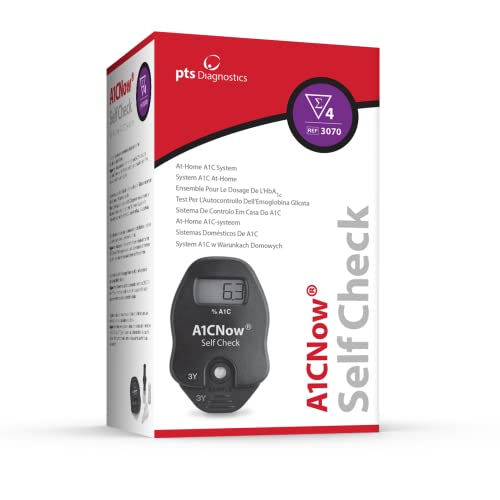
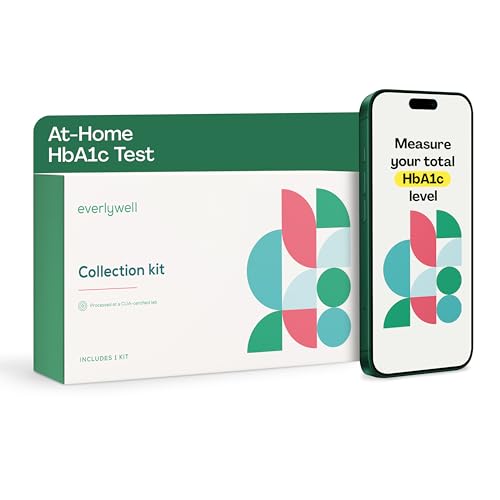
Prefer to order direct? The Everlywell HbA1c Test uses a CLIA-certified lab, physician-reviewed results, and prepaid return shipping.
What to Look For in a Continuous Glucose Monitor (CGM)
Over-the-counter CGMs like Dexcom Stelo and Abbott Lingo now sell without a prescription. Check the wear time (14–15 days per sensor), whether it reads to your phone or needs a separate device, and the monthly cost. For seeing how your own body responds to meals, a month or two is usually enough — you don't need to wear one forever.


What Makes a Good Fiber Supplement
For blood-sugar and cholesterol support you want SOLUBLE fiber — psyllium husk is the best studied. Start with one teaspoon and build up with plenty of water to avoid bloating, and take it 10–15 minutes before carb-heavy meals. Choose an unsweetened, additive-free powder or capsule.


Related Articles
Serum C7 Levels Predict Liver Complications in Fatty Liver Disease
A Shinshu University study finds serum complement C7 levels above 140 μg/mL indicate higher risk...
Read article TestingArtificial Intelligence (AI) Detects Heart Transplant Rejection
An artificial intelligence model combining electrocardiograms and blood tests identified 94...
Read article TestingFasting Requirements for Blood Tests Show Limited Value
A study in JAMA Internal Medicine found fasting requirements for blood tests alter fewer than...
Read article TestingVitamin D Tracks Disease Activity in Inflammatory Bowel Disease
A 2026 study found serum 25(OH)D concentrations dropped during active inflammatory bowel disease...
Read articlePartner · Opt Health
Want a clinician to work up your metabolic numbers?
Opt Health runs fasting insulin, A1C, a full lipid panel and 50+ other markers, then builds a treatment plan — GLP-1s included where they're appropriate — with a physician who reviews the data with you directly.
See Opt Health's metabolic program →Topic updates
Get the weekly lab marker roundup
Blood test interpretation, optimal ranges, fasting insulin, A1C, thyroid panels, testosterone, cortisol, and nutrient markers.
Understand Your Health Better
Our free assessment maps your symptoms to the most relevant guides, tools, and product recommendations.
Take the Free Assessment →Free · Takes 5 minutes · Instant results
Affiliate disclosure: The Metabolic Journal is reader-supported. Some links above are affiliate or referral links and we may earn a commission at no extra cost to you. Products are chosen on the merits; commissions never influence what we recommend. This is general information, not medical advice — talk to your clinician before acting.