Continuous Glucose Monitoring and Quality of Life in Diabetes
Data from 400 adults shows days with wider glucose variation within safe targets precede higher daily well-being scores.
Continuous Glucose Monitoring Findings in the PRO-MENTAL Study
Adults with diabetes report higher quality of life following days with wider continuous glucose monitoring fluctuations that remain within safe thresholds. Professor Dominic Ehrmann led the research team at the Research Institute Diabetes Academy Mergentheim (FIDAM). The European Association for the Study of Diabetes (EASD) accepted the study for presentation at its annual meeting in Milan, Italy.
The team studied 400 people over 14 consecutive days using daily digital logs. In this cohort, 72 percent lived with type 1 diabetes and 28 percent had type 2 diabetes. Participants averaged 47 years of age with a mean glycated hemoglobin (HbA1c) level of 7.6 percent.
- 55 percent of participants identified as female, with ages ranging from 32 to 63 years.
- 72 percent of enrolled individuals had type 1 diabetes, while 28 percent managed type 2 diabetes.
- Mean glycated hemoglobin (HbA1c) measured 7.6 percent across the group at baseline.
How Blood Sugar Fluctuations and Normoglycemia Predict Next-Day Mood
Both higher glucose variability and longer time in normal range on a prior day predict improved next-day well-being. Researchers evaluated quality of life using daily Ecological Momentary Assessment (EMA) based on the World Health Organization (WHO) WHO-5 questionnaire. This survey tracked feelings of vigor, rest, calm, spirits, and daily interest.
Time in Normal Range (TING) measured blood sugar between 70 and 140 mg/dl. By contrast, Time Below Range (TBR, under 70 mg/dl) and Time Above Range (TAR, over 180 mg/dl) showed no reliable link to next-day scores. Same-day glucose metrics did not correlate with that day's reported quality of life.
- I have felt cheerful and in good spirits
- I have felt calm and relaxed
- I have felt active and vigorous
- I woke up feeling fresh and rested
- My daily life has been filled with things that interest me
The Everyday Demands of Continuous Glucose Monitoring
Stricter blood sugar targets may reduce daily satisfaction by placing extra behavioral demands on individuals. Rigid control can restrict normal life. Such restrictions can leave individuals feeling unable to participate comfortably in everyday physical or social pursuits.
Sleep and daytime stamina also influenced subsequent well-being. Participants rated their energy on a scale from 0 to 10. Higher subjective energy and restful sleep both predicted better quality of life on the following day.
Study Limits and Practical Considerations for Diabetes Care
Observational associations collected across 14 days do not prove that glucose shifts directly generate higher quality of life. The PRO-MENTAL findings come from an upcoming conference presentation. Observed glucose swings stayed largely within safe limits rather than dropping into severe clinical lows.
Safe management still requires avoiding prolonged high readings or dangerous hypoglycemia. Talk with your clinician about balancing continuous glucose monitoring targets against your daily quality of life.
How to test metabolic markers at home
You don't need a lab appointment to check your own metabolic markers — a few at-home kits mail you a collection kit and return physician-reviewed results online within days:
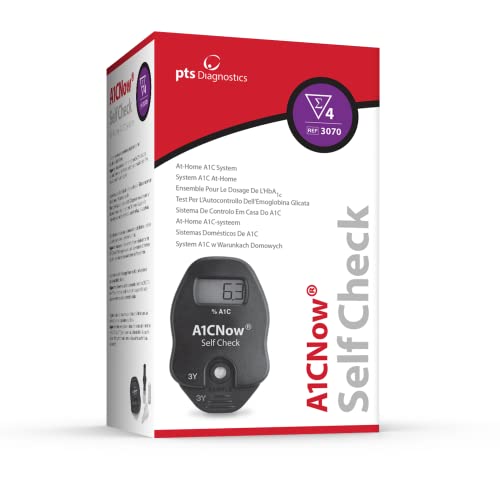
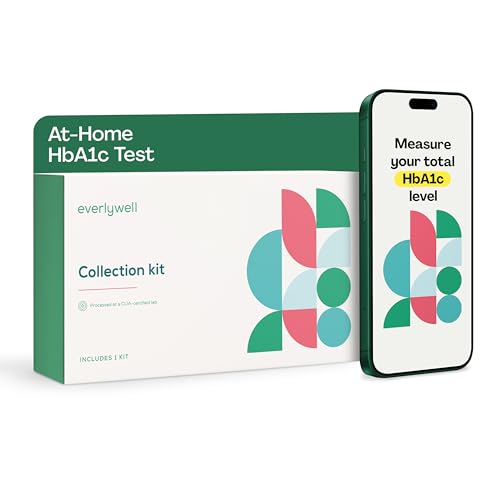
Prefer to order direct? The Everlywell HbA1c Test uses a CLIA-certified lab, physician-reviewed results, and prepaid return shipping.
What to Look For in a Continuous Glucose Monitor (CGM)
Over-the-counter CGMs like Dexcom Stelo and Abbott Lingo now sell without a prescription. Check the wear time (14–15 days per sensor), whether it reads to your phone or needs a separate device, and the monthly cost. For seeing how your own body responds to meals, a month or two is usually enough — you don't need to wear one forever.


What Makes a Good Fiber Supplement
For blood-sugar and cholesterol support you want SOLUBLE fiber — psyllium husk is the best studied. Start with one teaspoon and build up with plenty of water to avoid bloating, and take it 10–15 minutes before carb-heavy meals. Choose an unsweetened, additive-free powder or capsule.


Related Articles
GVC-Calc Platform Standardizes Continuous Glucose Monitor Data
Researchers published GVC-Calc in Nature Metabolism to standardize continuous glucose monitoring...
Read article TestingInvestigational Blood Test Detects Early-Stage Pancreatic Cancer
City of Hope researchers developed PANXEON, an investigational blood test that detected...
Read article TestingUrine Test for Kidney Protection in Diabetes Directs Treatment Choices
A study in the British Medical Journal shows a urine test for kidney protection in diabetes...
Read article TestingDietary Shifts Lowered Biological Age Scores in Four-Week Trial
University of Sydney researchers found older adults reduced biological age scores in four weeks...
Read articlePartner · Opt Health
Want a clinician to work up your metabolic numbers?
Opt Health runs fasting insulin, A1C, a full lipid panel and 50+ other markers, then builds a treatment plan — GLP-1s included where they're appropriate — with a physician who reviews the data with you directly.
See Opt Health's metabolic program →Topic updates
Get the weekly lab marker roundup
Blood test interpretation, optimal ranges, fasting insulin, A1C, thyroid panels, testosterone, cortisol, and nutrient markers.
Understand Your Health Better
Our free assessment maps your symptoms to the most relevant guides, tools, and product recommendations.
Take the Free Assessment →Free · Takes 5 minutes · Instant results
Affiliate disclosure: The Metabolic Journal is reader-supported. Some links above are affiliate or referral links and we may earn a commission at no extra cost to you. Products are chosen on the merits; commissions never influence what we recommend. This is general information, not medical advice — talk to your clinician before acting.