Continuous Glucose Monitoring and Mortality Risk in Diabetes
A target trial emulation of nearly 28,000 adults links sensor use to lower all-cause mortality and fewer heart complications.
What the EASD Presentation Reported
Continuous glucose monitoring (CGM) is associated with a 44 percent lower risk of death from any cause after one year among people with type 2 diabetes (T2D) receiving basal insulin. Researchers presented the data at the annual meeting of the European Association for the Study of Diabetes (EASD) in Milan, Italy. After two years of monitoring, the risk of all-cause death remained 35 percent lower than in non-users.
Absolute mortality at 12 months was 1.16 percent in CGM users compared with 2.09 percent in non-users. At 24 months, mortality reached 2.12 percent in the sensor group compared with 3.26 percent in the unmonitored group. Approximately 7 percent of the 405 million individuals with T2D globally need insulin treatment to manage blood sugar.
Study Design and Patient Matching Details
The project analyzed electronic health records from the Truveta database to emulate a clinical trial. Truveta contains anonymized records from more than 140 million Americans. Researchers evaluated data from Jan. 1, 2017, through March 18, 2024, comparing 13,935 patients who filled a first prescription for CGM against 13,935 non-users.
Investigators matched the two cohorts across 29 baseline characteristics to reduce confounding between groups. These factors included age, sex, ethnicity, diabetes duration, complication severity, and baseline glycated hemoglobin (HbA1c) levels. The matching also accounted for concurrent medical conditions, prescription medications, health care utilization frequency, and blood glucose monitor use.
- The average participant age was 58 years.
- Female participants comprised 47 percent of both groups.
- All participants were adults with type 2 diabetes receiving basal insulin therapy.
Cardiovascular Events and Hospitalization Reductions
Continuous glucose monitoring use was linked to lower rates of major cardiovascular complications during the two-year observation period. Analyzed macrovascular events included heart attacks, heart failure, stroke, transient ischemic attack (TIA), and peripheral artery disease. Sensor users experienced a 26 percent lower risk of a first macrovascular event at 12 months.
New macrovascular events developed in 1.03 percent of CGM users compared with 1.39 percent of non-users at one year. At 24 months, the rate was 1.64 percent versus 2.17 percent, representing a 24 percent lower risk. Rates of recurrent macrovascular events were 35 percent lower at 12 months and 36 percent lower at 24 months.
Heart failure hospitalizations among sensor users dropped by 54 percent at 12 months and 47 percent at 24 months. The associations persisted in sensitivity analyses that excluded patient deaths in the first 90 days and data from the COVID-19 period.
Observational Design and Study Caveats
The research is an observational analysis that shows statistical associations rather than direct cause and effect. Although the target trial emulation matched 29 variables, unmeasured factors such as diet quality, physical exercise, and personal finances could still influence clinical outcomes. Patients who adopt monitoring technology might also practice other health-protective habits.
Researchers from sensor manufacturer Abbott conducted the study alongside academic partners, which represents a commercial tie to device sales. Lead researcher Jochen Seufert of the University Hospital of Freiburg noted that the findings support wider technology access for adults using basal insulin. Additional randomized trials will help confirm whether the sensors directly drive the mortality reduction.
Next Steps for Patients on Basal Insulin
Continuous glucose monitors use a small skin sensor to stream real-time glucose readings to a mobile phone or dedicated receiver. These continuous readings allow individuals to recognize unexpected blood sugar spikes and prevent dangerously low blood sugar events known as hypoglycemia. Patients currently taking basal insulin can talk to their clinician about whether continuous glucose monitoring fits their daily management plan.
How to test metabolic markers at home
You don't need a lab appointment to check your own metabolic markers — a few at-home kits mail you a collection kit and return physician-reviewed results online within days:
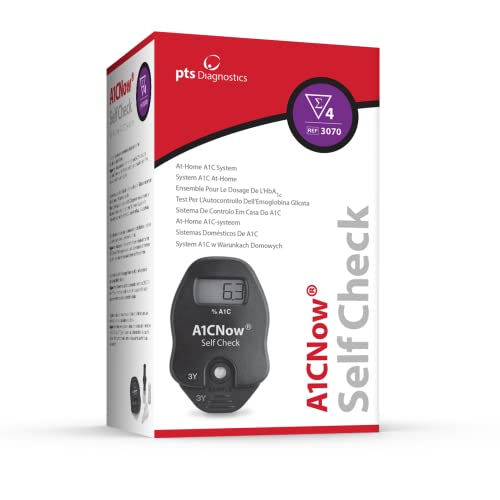
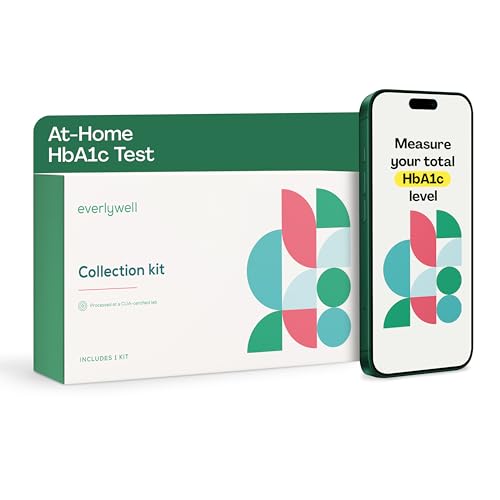
Prefer to order direct? The Everlywell HbA1c Test uses a CLIA-certified lab, physician-reviewed results, and prepaid return shipping.
What to Look For in a Continuous Glucose Monitor (CGM)
Over-the-counter CGMs like Dexcom Stelo and Abbott Lingo now sell without a prescription. Check the wear time (14–15 days per sensor), whether it reads to your phone or needs a separate device, and the monthly cost. For seeing how your own body responds to meals, a month or two is usually enough — you don't need to wear one forever.


What Makes a Good Fiber Supplement
For blood-sugar and cholesterol support you want SOLUBLE fiber — psyllium husk is the best studied. Start with one teaspoon and build up with plenty of water to avoid bloating, and take it 10–15 minutes before carb-heavy meals. Choose an unsweetened, additive-free powder or capsule.


Related Articles
Daily Blood Tests Could Shorten Antibiotic Courses in Sepsis
The ADAPT-Sepsis trial evaluated daily procalcitonin and C-reactive protein tests across 41...
Read article TestingAI Analysis of Unapproved Retatrutide Posts Finds Unexpected Symptoms
An artificial intelligence analysis of 150,000 forum posts found reports of increased appetite...
Read article TestingStudy Finds HAEE Peptide May Serve as Alzheimer's Biomarker
Researchers developing an Alzheimer's drug discovered the peptide HAEE naturally circulates in...
Read article TestingAlzheimer's Blood Biomarker Tracks Brain Amyloid Across Racial Groups
A global study in JAMA Neurology reports that the %p-tau217 blood test reliably reflects brain...
Read articleWant a clinician to work up your metabolic numbers?
Opt Health runs fasting insulin, A1C, a full lipid panel and 50+ other markers, then builds a treatment plan — GLP-1s included where they're appropriate — with a physician who reviews the data with you directly.
See Opt Health's metabolic program →Topic updates
Get the weekly lab marker roundup
Blood test interpretation, optimal ranges, fasting insulin, A1C, thyroid panels, testosterone, cortisol, and nutrient markers.
Understand Your Health Better
Our free assessment maps your symptoms to the most relevant guides, tools, and product recommendations.
Take the Free Assessment →Free · Takes 5 minutes · Instant results
Affiliate disclosure: The Metabolic Journal is reader-supported. Some links above are affiliate or referral links and we may earn a commission at no extra cost to you. Products are chosen on the merits; commissions never influence what we recommend. This is general information, not medical advice — talk to your clinician before acting.