Circadian Rhythms Linked to Blood Sugar Control in Type 2 Diabetes
A wearable-device study tracks how daily biorhythm stability and afternoon movement relate to glycemic targets.
Stable Circadian Rhythms Double the Odds of Hitting Glucose Goals
Patients with type 2 diabetes who maintain stable circadian rhythms are more likely to achieve their blood glucose management goals than those with erratic daily cycles. An observational study published in the journal Metabolism tracked 122 patients receiving insulin treatment to examine how daily biological patterns correlate with glucose numbers.
Researchers led by Dr. Lee Da young at Korea University College of Medicine found that 46.3% of participants in the most stable circadian rhythm group reached their blood glucose target. In contrast, only 20.0% of individuals in the group with the least stable rhythms reached that mark.
This difference represents a 2.3-fold higher rate of meeting management goals for patients with consistent patterns. The association persisted even after researchers adjusted for age, body mass index (BMI), and glycated hemoglobin (HbA1c).
Wearable Sensor Data Tracked Sleep, Steps, and Glucose for Ten Days
Continuous glucose monitors (CGM) paired with wearable activity trackers captured continuous physiological data across ten days for each participant. The study cohort included patients treated at Ansan Hospital between 2021 and 2024.
The research team collected metrics on sleep durations, physical activity, heart rates, and blood glucose fluctuations. By comparing wearable monitor records against continuous sensor data, the investigators charted how daily habit patterns corresponded with metabolic stability.
The analysis divided each 24-hour cycle into four distinct windows: early morning from midnight to 6 a.m., morning from 6 a.m. to noon, afternoon from noon to 6 p.m., and night from 6 p.m. to midnight.
Afternoon Activity Showed the Strongest Blood Sugar Correlation
Physical movement showed different relationships to blood glucose markers depending on the specific time window. The strongest correlation emerged between afternoon step counts and improved blood glucose indicators.
Participants who logged higher activity levels between noon and 6 p.m. spent more total time within their target blood glucose range. These patients also showed lower overall blood glucose variability compared to less active peers.
Sleep metrics displayed an equally clear relationship with metabolic markers. Patients who secured sufficient sleep recorded a lower risk of hypoglycemia and fewer abrupt shifts in blood sugar.
Observational Design Leaves Causation Unproven Pending Interventions
The study design was observational, which means it identifies associations rather than direct cause-and-effect mechanisms. The findings cannot prove that shifting activity to the afternoon directly causes blood sugar improvements.
All 122 participants were individuals with type 2 diabetes who were already receiving insulin therapy at a single medical center. Because of this specific cohort, the observations may not apply identically to people with prediabetes or those managing type 2 diabetes without insulin.
The research team stated that planned follow-up studies will test structured lifestyle interventions designed to adjust biorhythms directly. Those trials also aim to evaluate whether stabilizing daily cycles reduces long-term complications such as diabetic kidney disease and retinopathy.
- Cohort limited to 122 insulin-treated patients at Ansan Hospital.
- Monitoring window lasted ten days per participant.
- Observational data cannot confirm whether rhythm stability directly causes better glycemic control.
What These Findings Mean for Daily Metabolic Routines
Standard diabetes care emphasizes nutrition, exercise volume, and prescribed medications, but timing adds another layer to consider. Keeping consistent sleep schedules and avoiding large daily rhythm disruptions may support glycemic stability.
Individuals tracking their glucose readings with wearable devices can discuss daily activity timing with their clinician. Reviewing step distribution across the day helps determine whether shifting walks or workouts to the afternoon suits an individual treatment plan.
How to test metabolic markers at home
You don't need a lab appointment to check your own metabolic markers — a few at-home kits mail you a collection kit and return physician-reviewed results online within days:
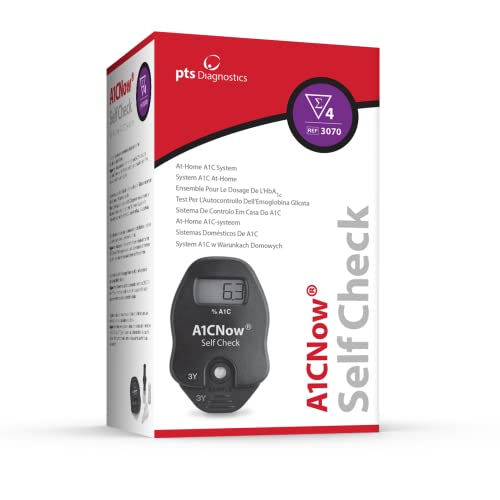
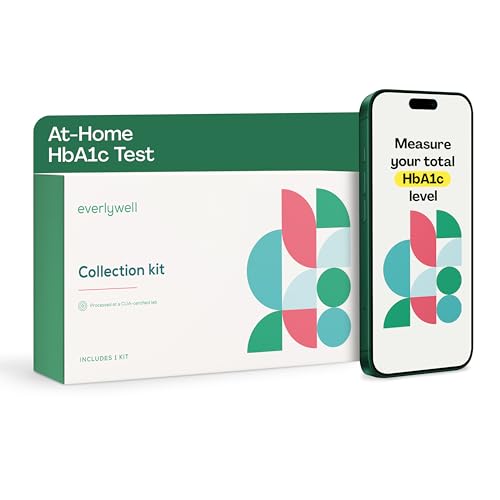
Prefer to order direct? The Everlywell HbA1c Test uses a CLIA-certified lab, physician-reviewed results, and prepaid return shipping.
What to Look For in a Continuous Glucose Monitor (CGM)
Over-the-counter CGMs like Dexcom Stelo and Abbott Lingo now sell without a prescription. Check the wear time (14–15 days per sensor), whether it reads to your phone or needs a separate device, and the monthly cost. For seeing how your own body responds to meals, a month or two is usually enough — you don't need to wear one forever.


What Makes a Good Fiber Supplement
For blood-sugar and cholesterol support you want SOLUBLE fiber — psyllium husk is the best studied. Start with one teaspoon and build up with plenty of water to avoid bloating, and take it 10–15 minutes before carb-heavy meals. Choose an unsweetened, additive-free powder or capsule.


Related Articles
Study Links 10 Healthy Dietary Patterns to Slower Biological Aging
Research in Nature Communications examining 7,500 people shows 10 healthy dietary patterns,...
Read article MetabolismStudy Links GLP-1 Drugs to Lower Macular Degeneration Risk
Adjusting for cardiometabolic health reveals glucagon-like peptide-1 receptor agonists are tied...
Read article MetabolismBlocking Cellular Stress Pathway May Preserve Insulin-Producing Cells
Weill Cornell researchers identified a cellular stress pathway that kills pancreatic beta cells....
Read article MetabolismGLP-1 Receptor Agonist Exposure Linked to Earlier Sequential NAION
A large study found patients using GLP-1 receptor agonists experienced sequential nonarteritic...
Read articleWant help fixing your sleep for real?
Opt Health treats sleep as a measurable system — cortisol rhythm, thyroid, testosterone, inflammation — and works the biology behind bad sleep with a physician, not a sleep-hygiene checklist.
See Opt Health's sleep program →Topic updates
Get the weekly metabolic health roundup
Insulin resistance, blood sugar, visceral fat, GLP-1 plateaus, metabolic syndrome, and weight-loss physiology.
Understand Your Health Better
Our free assessment maps your symptoms to the most relevant guides, tools, and product recommendations.
Take the Free Assessment →Free · Takes 5 minutes · Instant results
Affiliate disclosure: The Metabolic Journal is reader-supported. Some links above are affiliate or referral links and we may earn a commission at no extra cost to you. Products are chosen on the merits; commissions never influence what we recommend. This is general information, not medical advice — talk to your clinician before acting.